What the Housing Means for Your Door
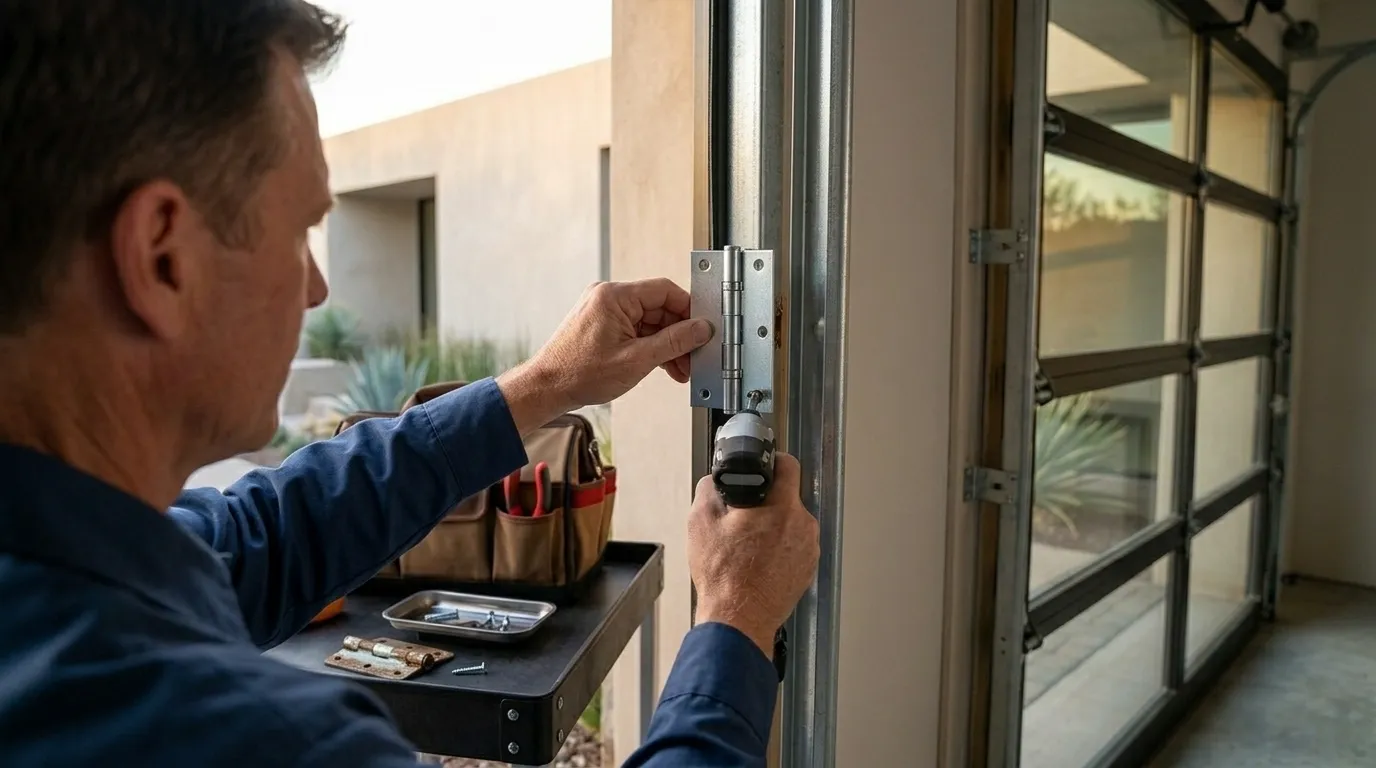
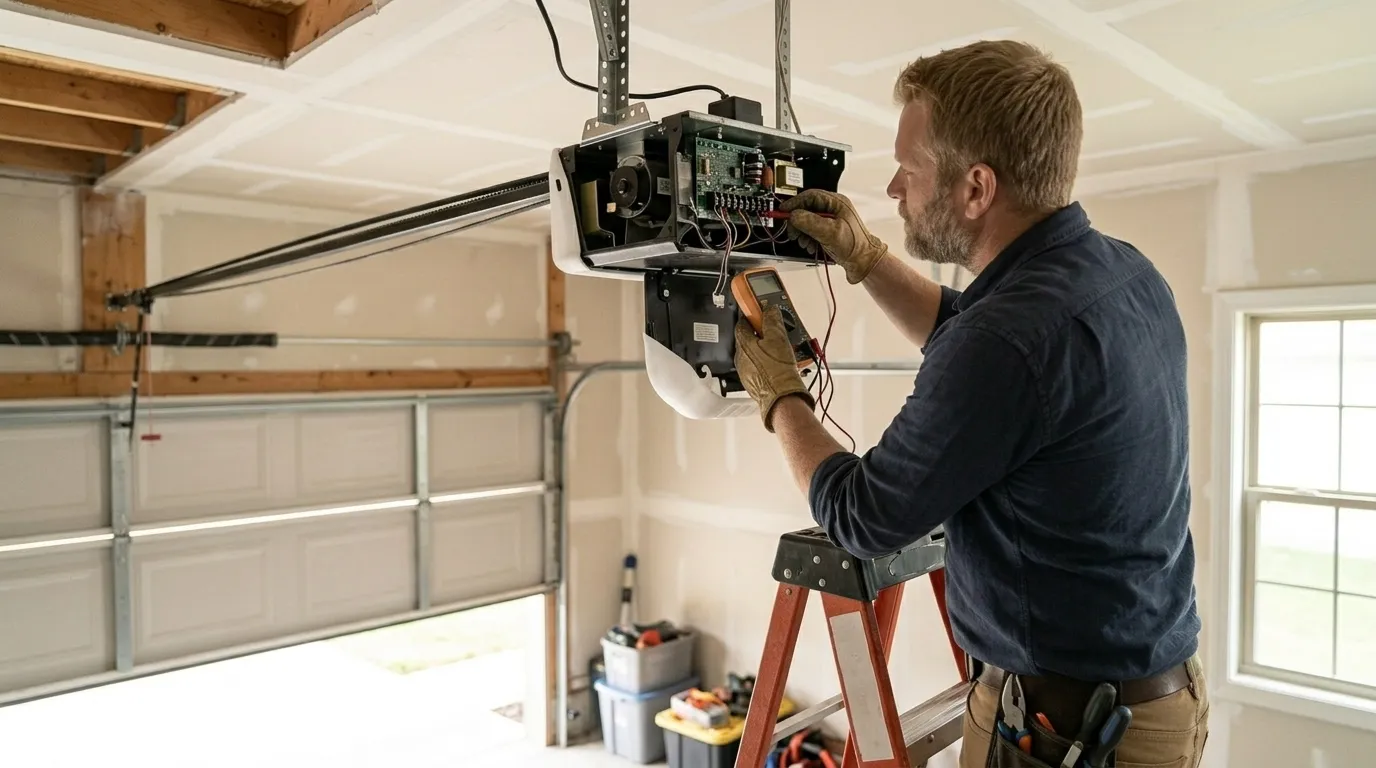
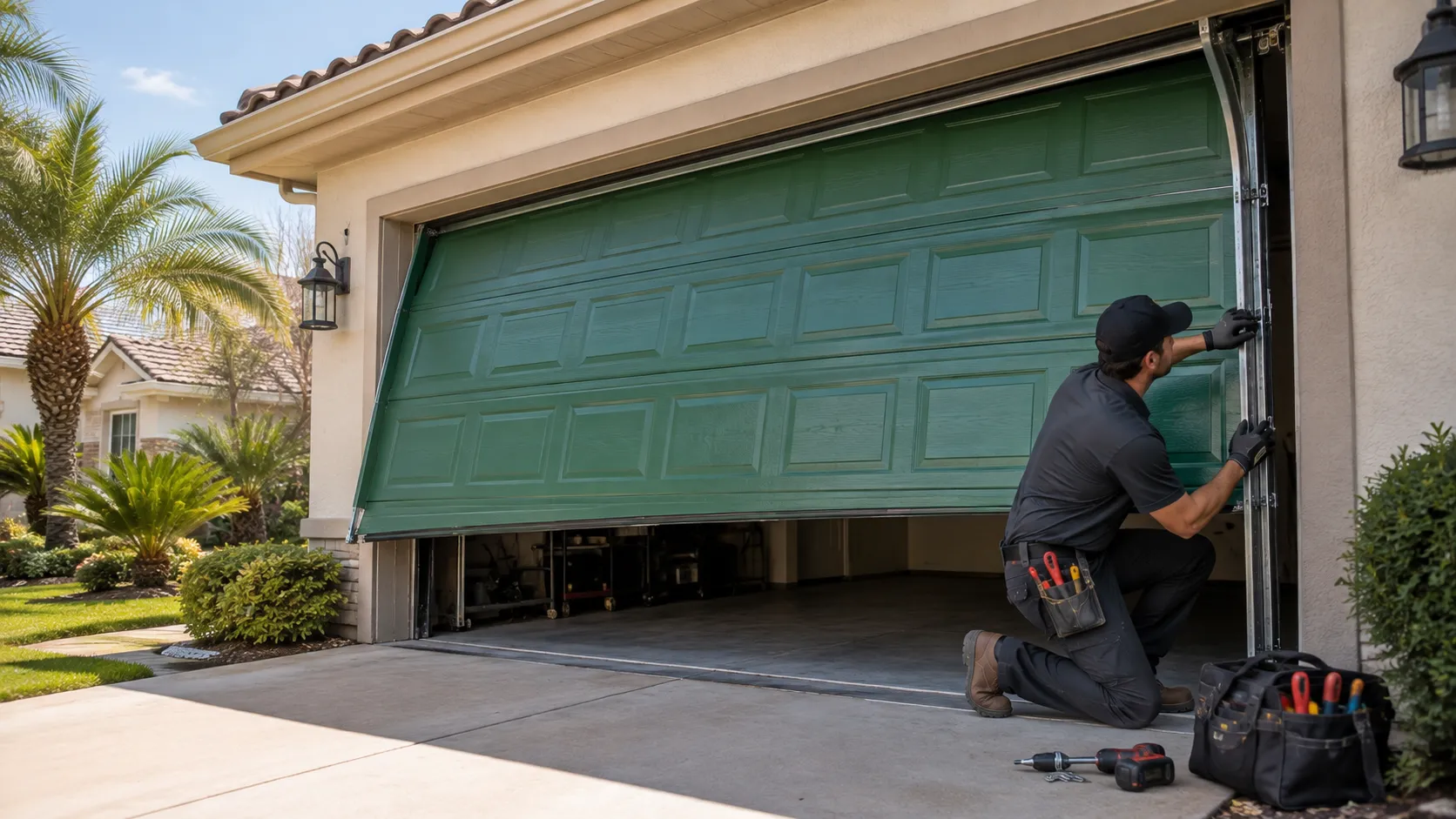
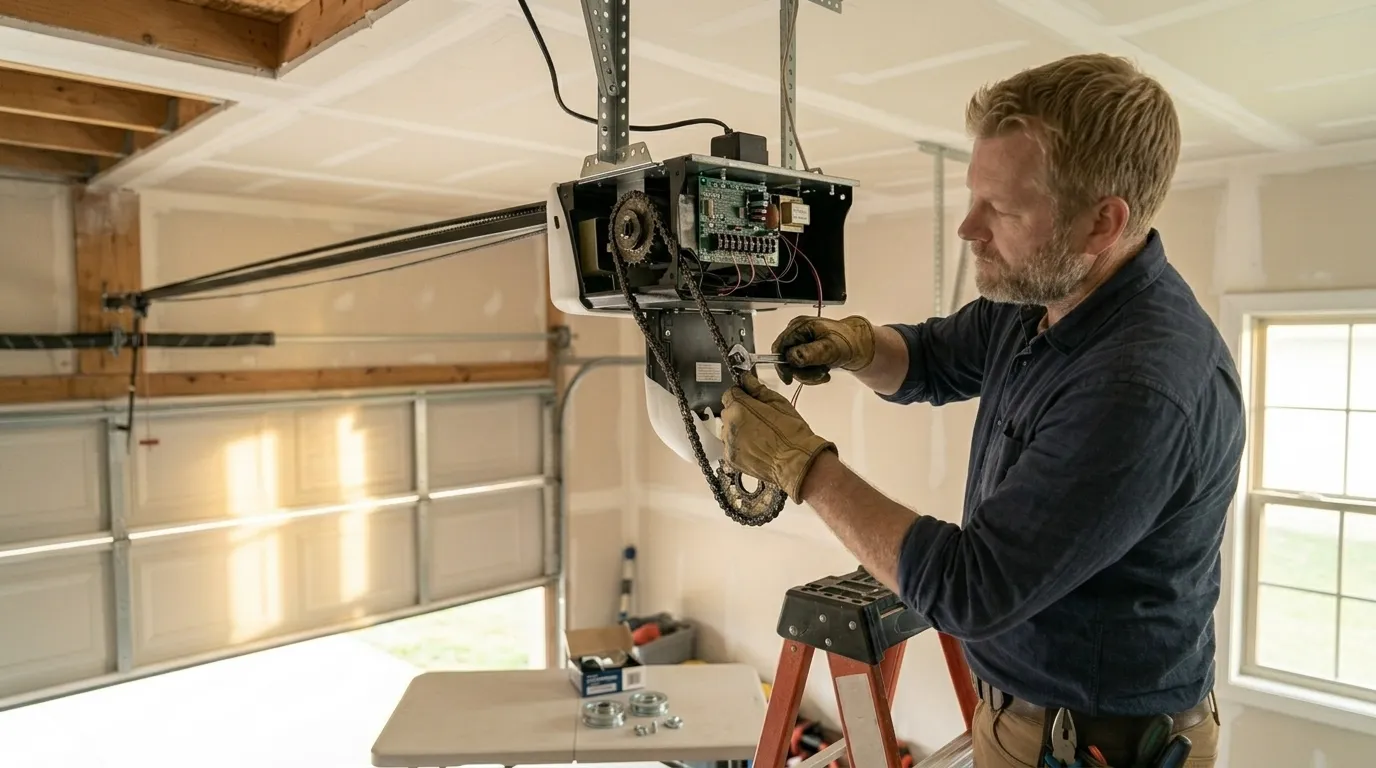
A 2013-median build year means most Rolesville garage doors are still running original hardware, and that hardware is a known quantity: steel torsion springs rated for a service life measured in cycles, nylon rollers instead of the steel ones common on much older doors, and openers with circuit boards rather than pure mechanical relays. The parts fail differently. Instead of a spring snapping under load, you're more likely to see a capacitor go on the opener motor, or a sensor wire that got pinched during finish carpentry. The climate here is cold-moderate, which means winter cold snaps can make springs stiffer and slower to cycle, but it's not the kind of extreme swing that ages steel fast. For a homeowner, the practical upshot is that a Rolesville door under fifteen years old rarely needs a full spring-and-cable job. It usually needs a diagnostic on the opener, a sensor realignment, or a track adjustment - smaller jobs, but ones that still need a trained eye, since guessing at opener wiring can strand you outside your own garage.
The Houses Here
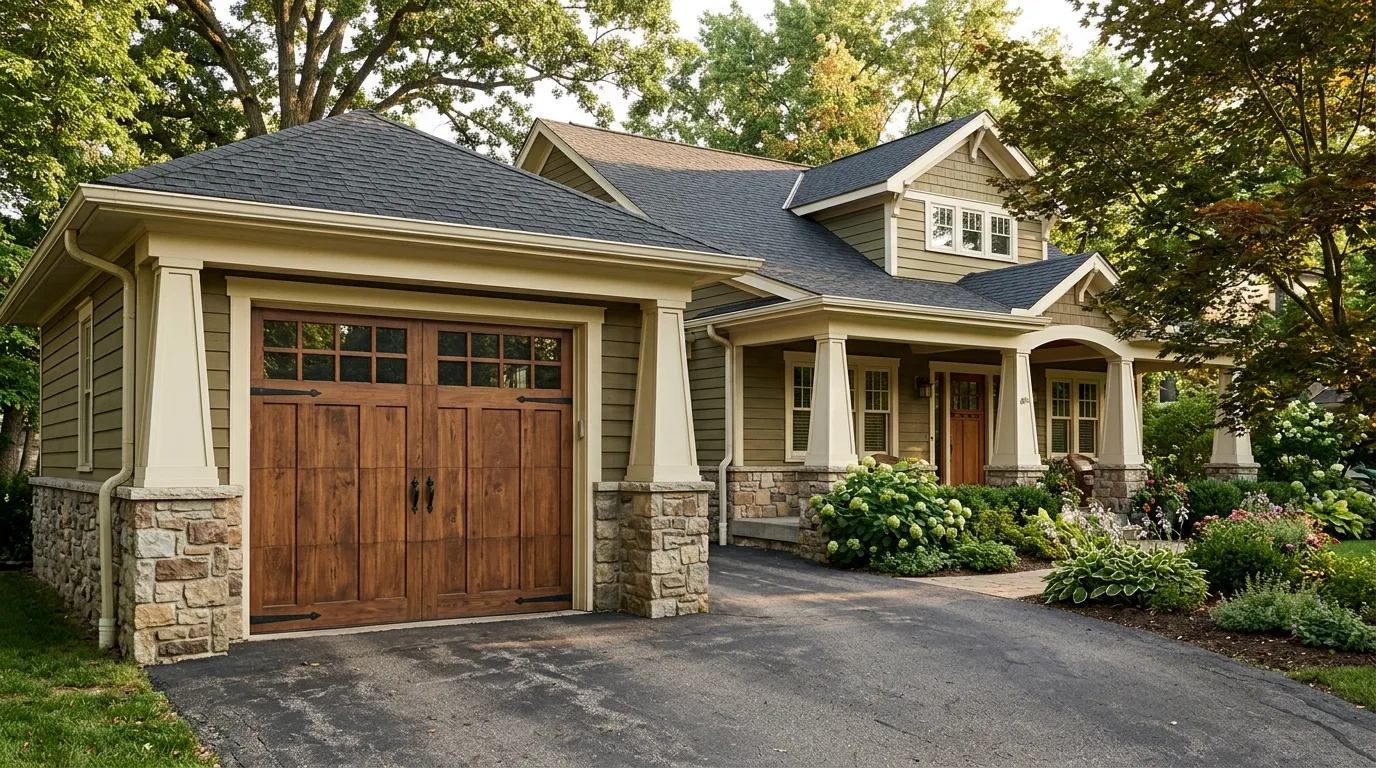
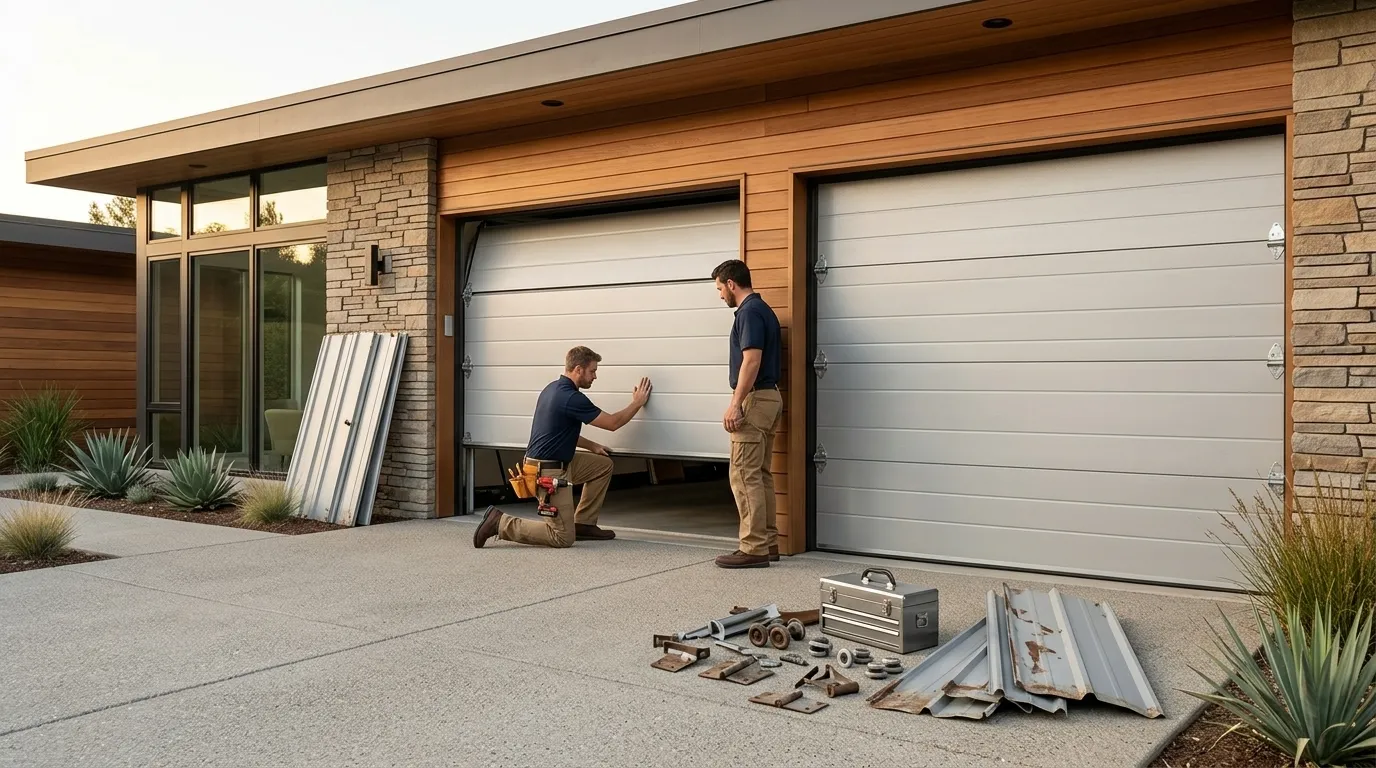
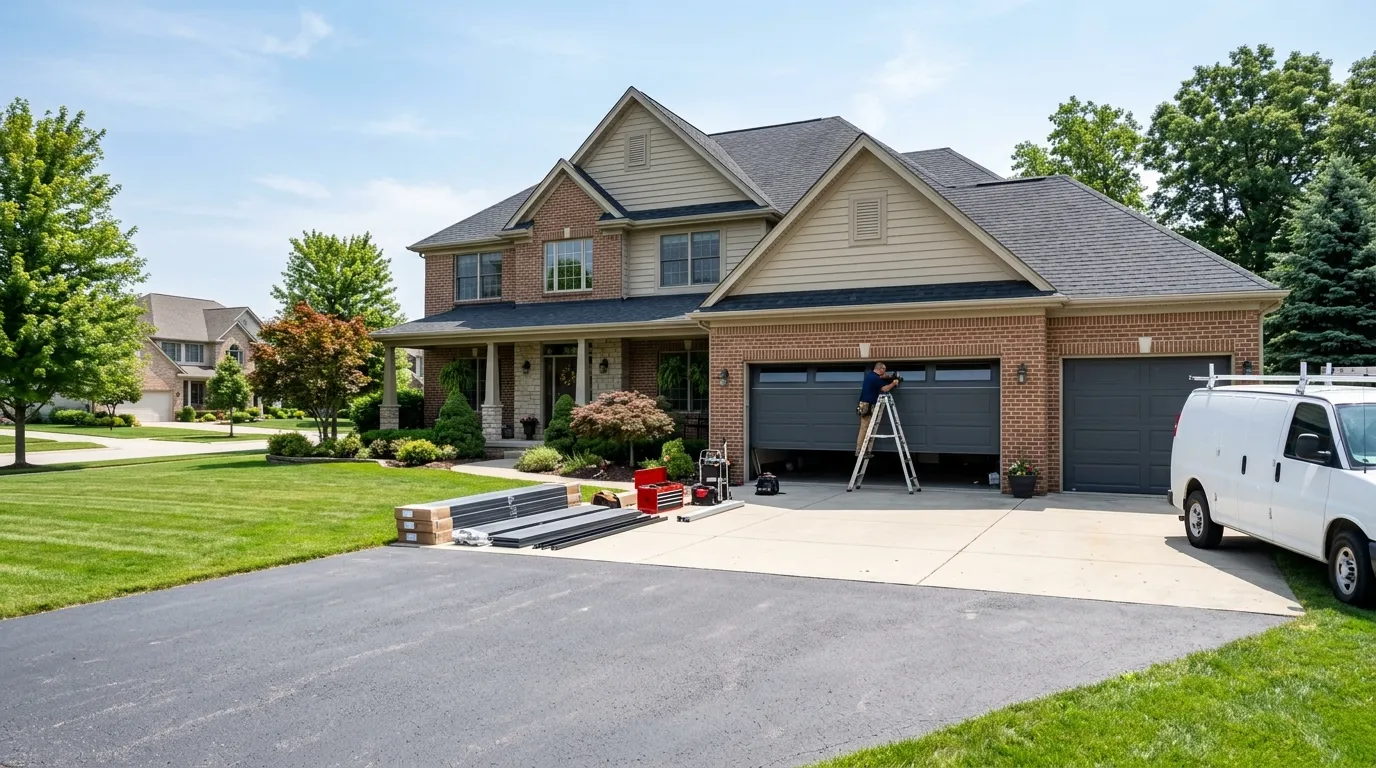
Rolesville sits about 12 miles from Raleigh, and the households here run smaller in count but higher in income than the broader service area - roughly 3,192 households against the area's 30,838, with a median household income near $148,250 compared to the wider area's $91,638. That combination shows up in the doors people choose: more insulated steel doors with quieter belt-drive openers, fewer bare single-panel doors on old chain-drive units. It also means when something breaks, people tend to want it fixed right rather than patched, which changes what we bring on the truck for a Rolesville call versus an older neighborhood. We don't have current figures on exactly how many of those houses are owner-occupied versus rented, so we won't guess at that split - but the income and build-year numbers alone tell you this is newer stock, cared for.
Placeholder
placeholder