What the Housing Means for Your Door
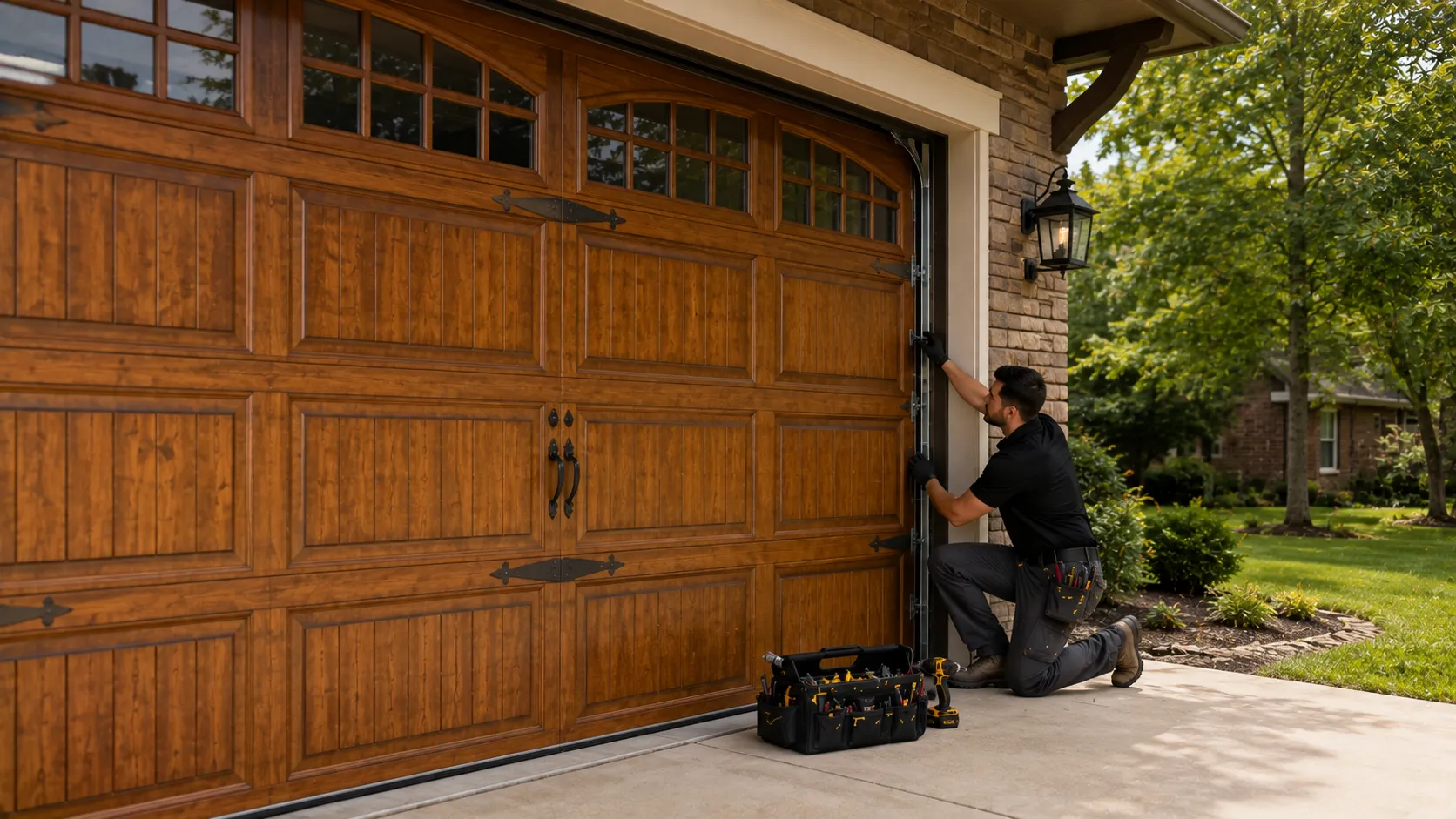
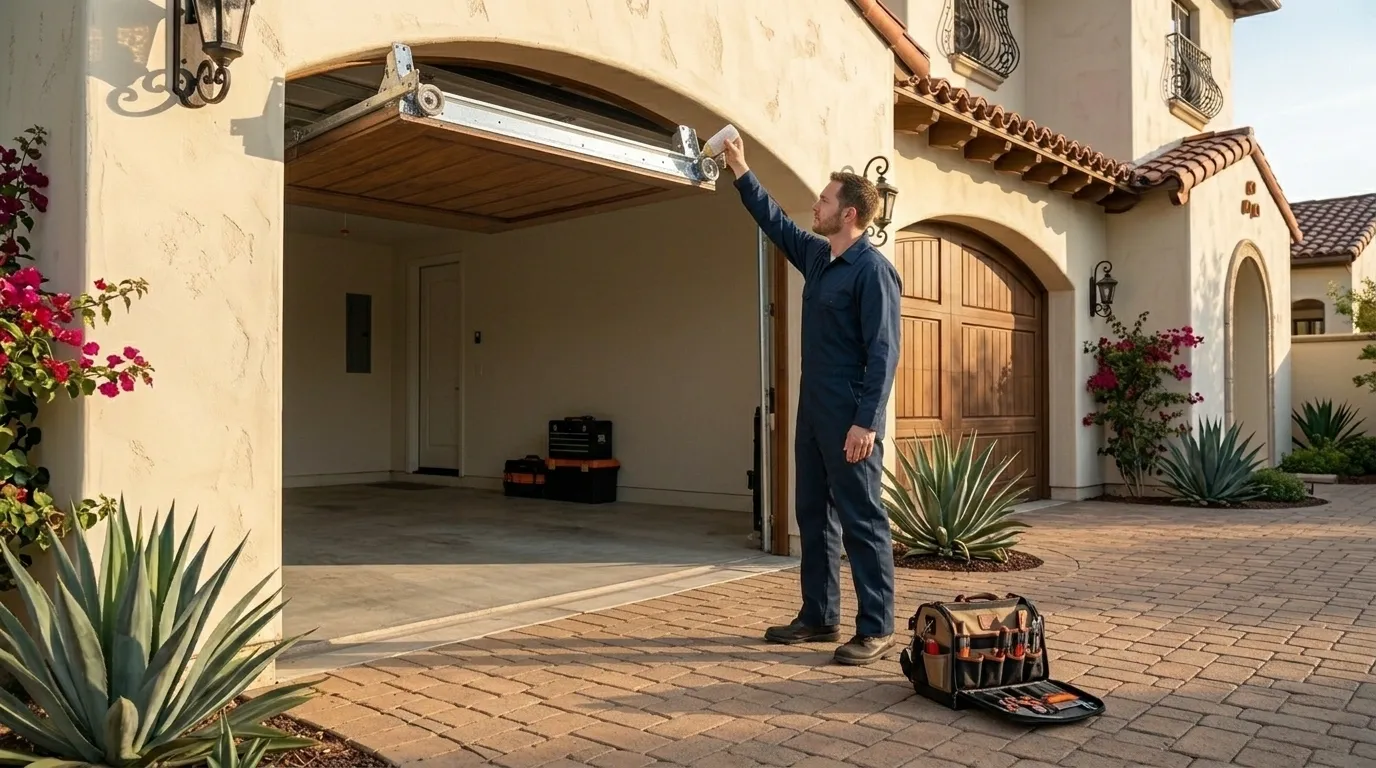
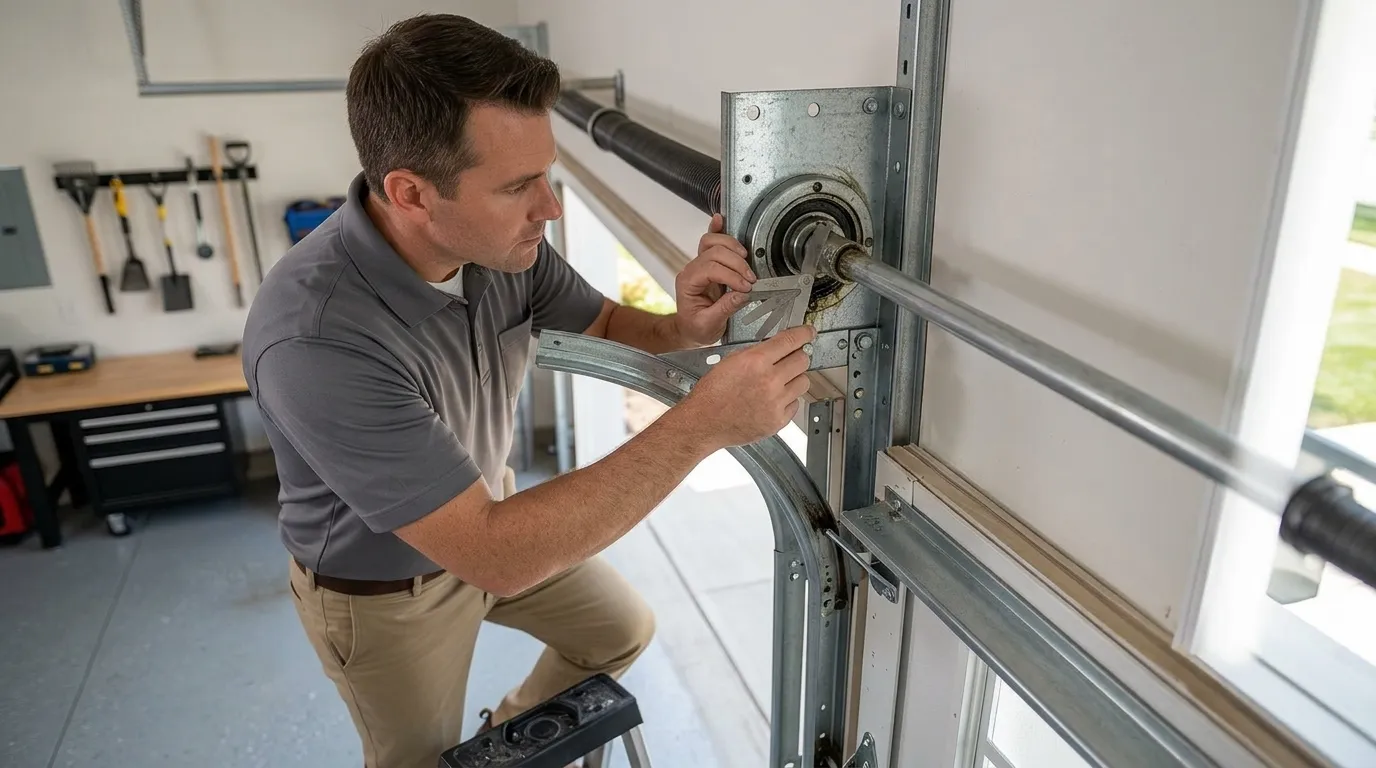
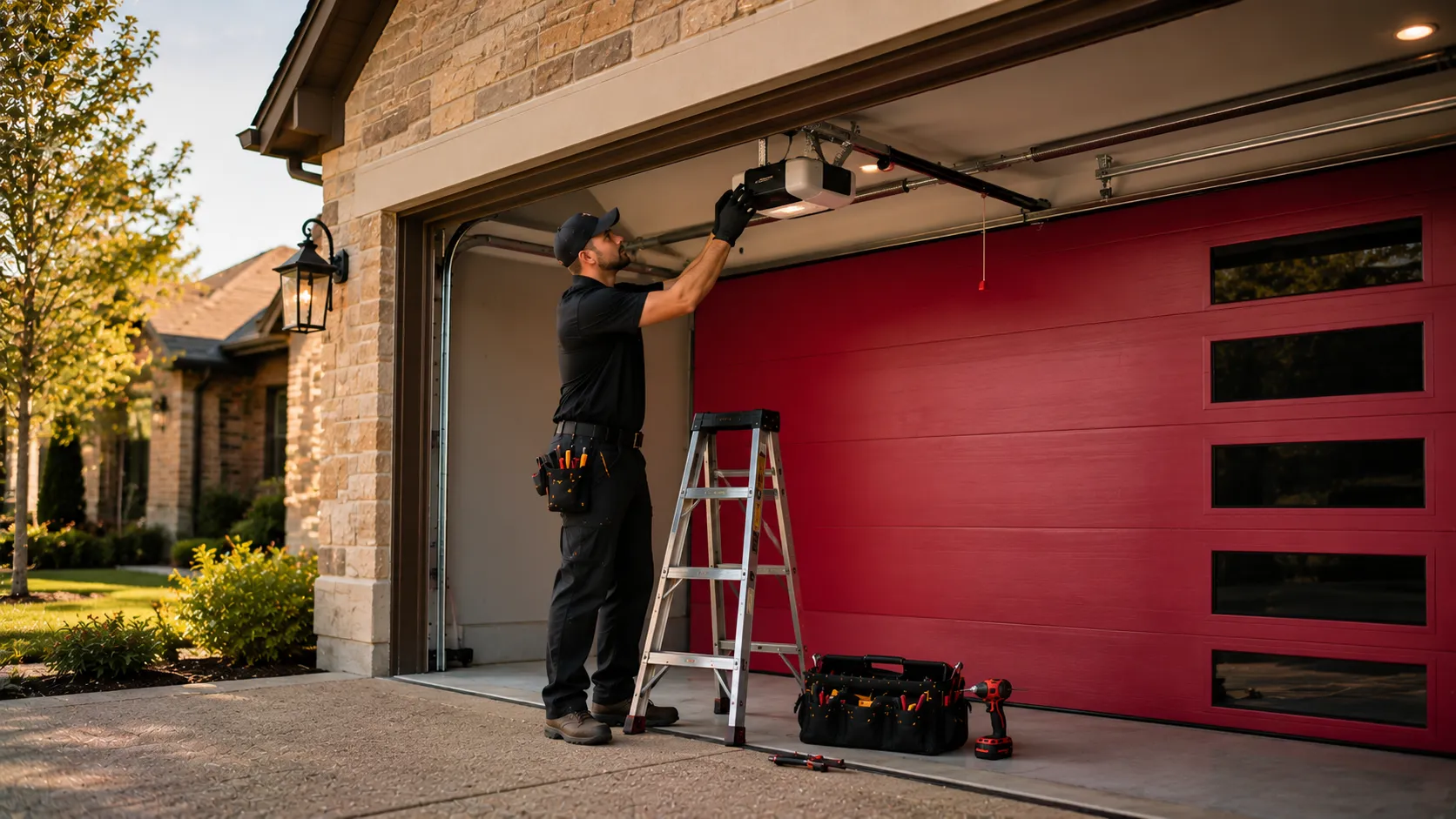
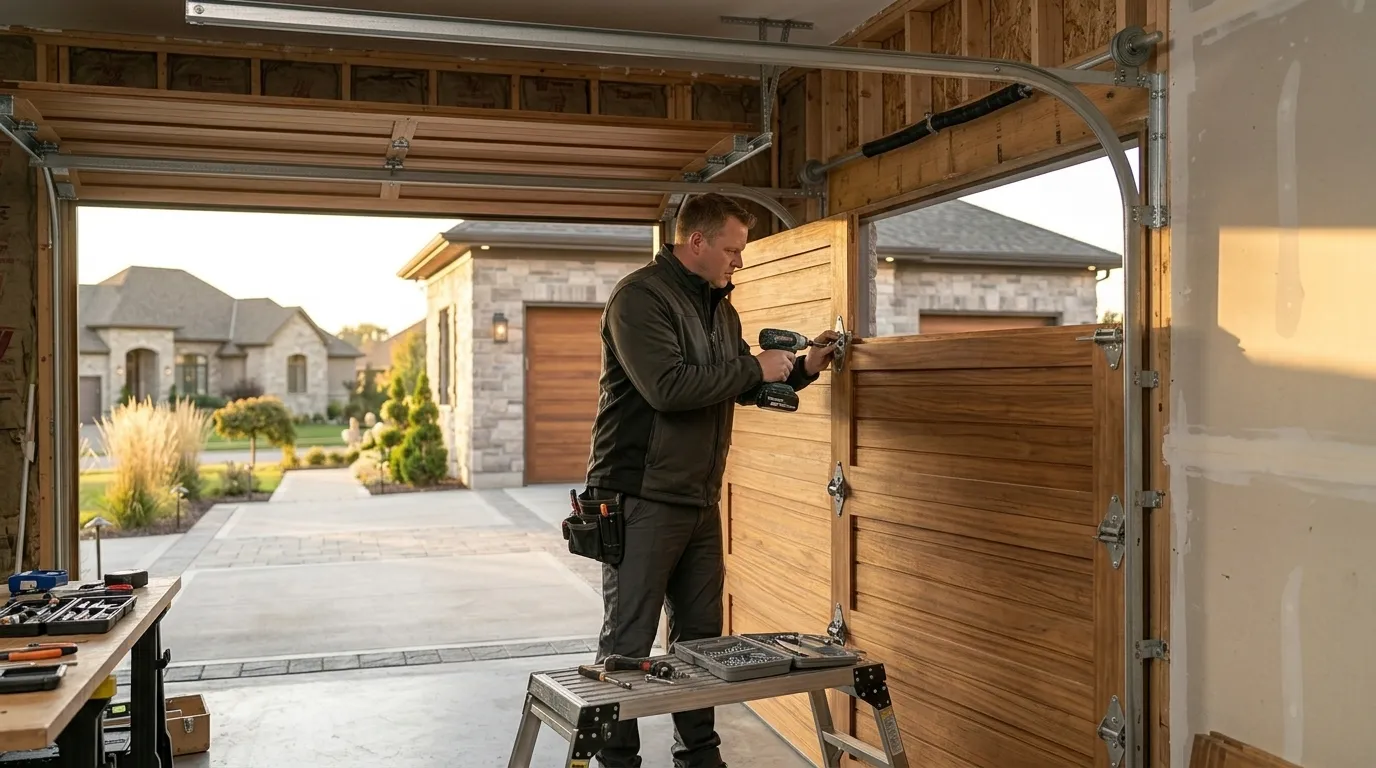
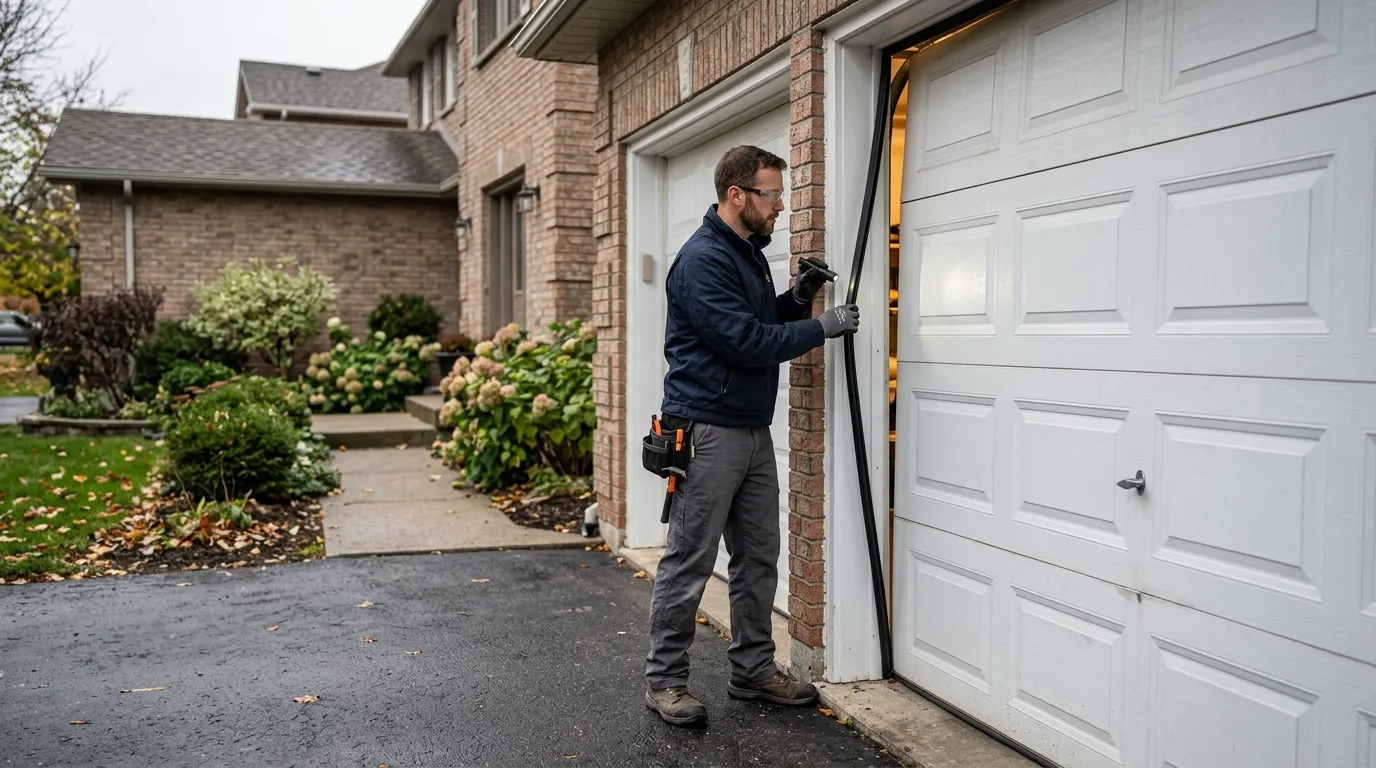
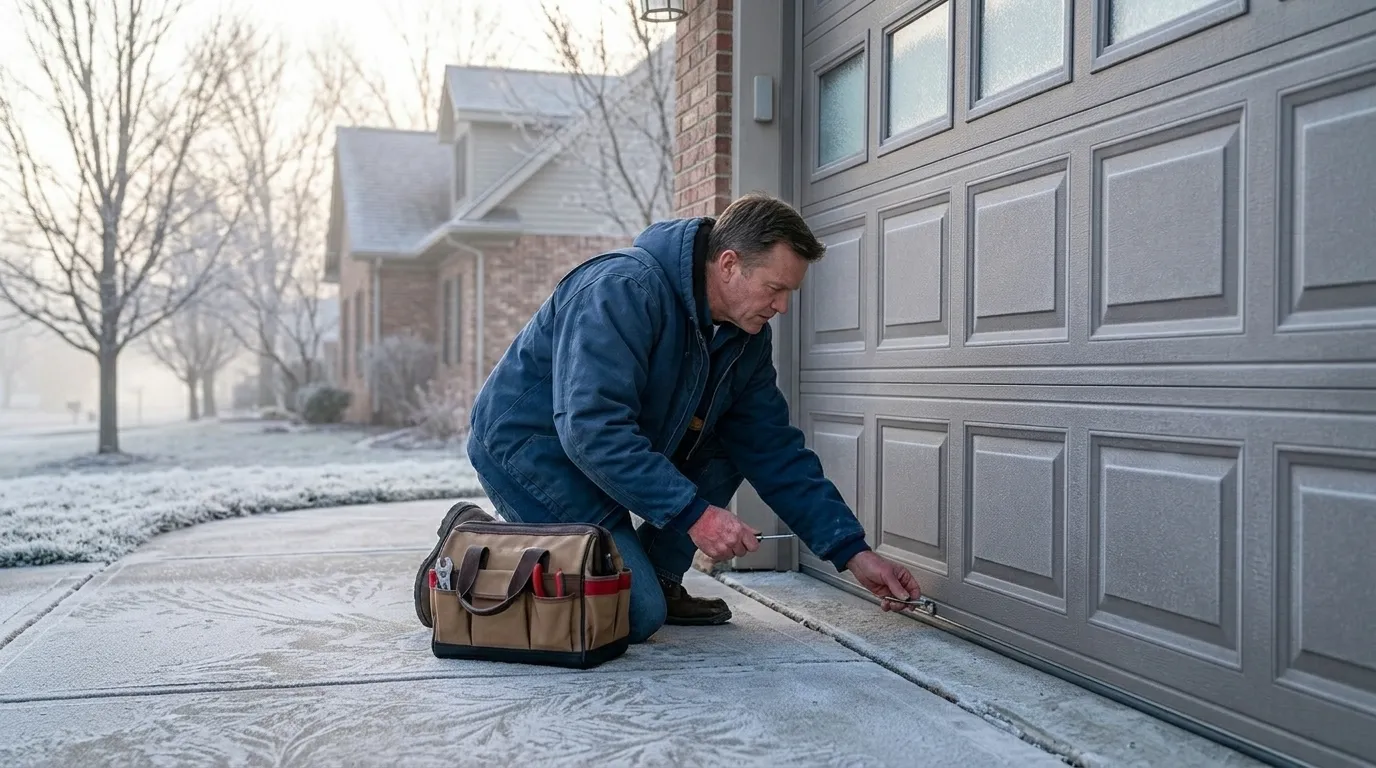
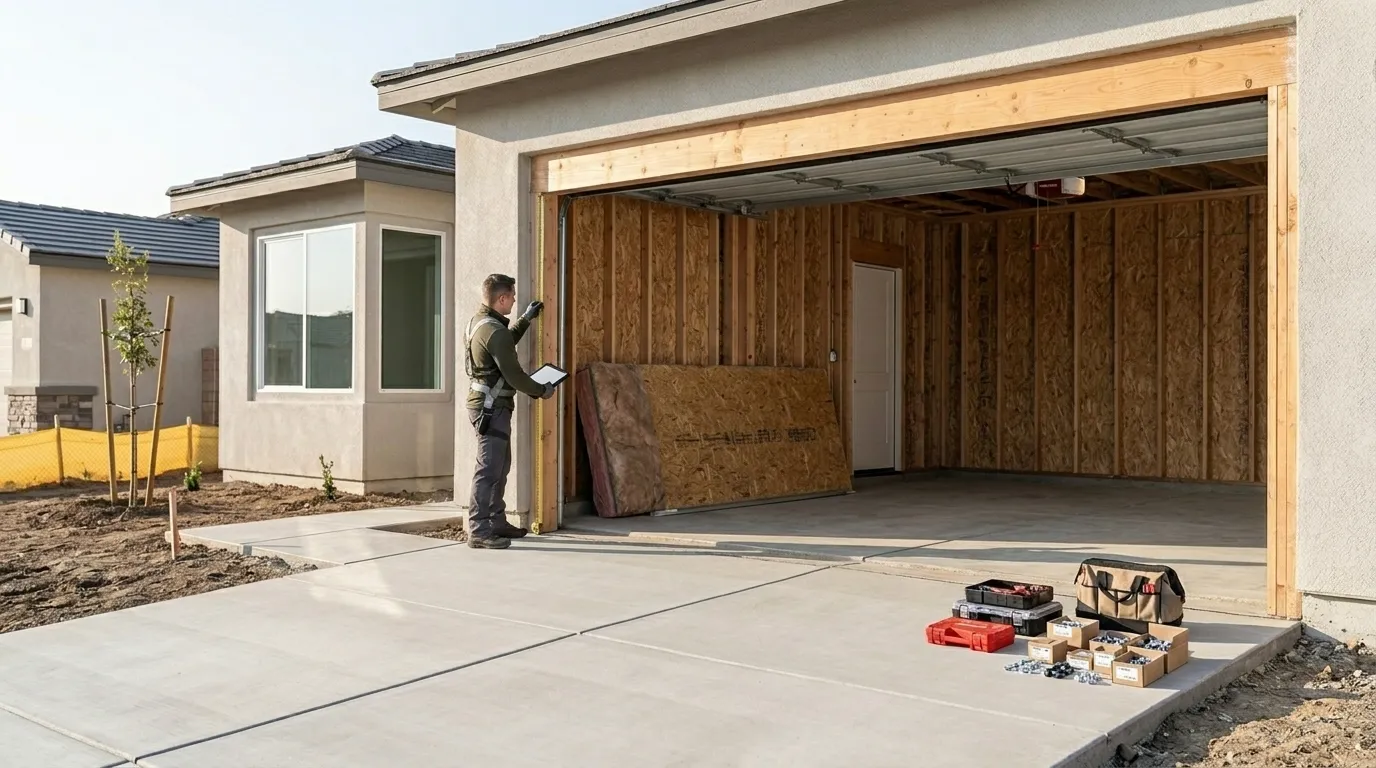
A house built in 1967 was framed for a garage door built to 1967 standards, and that matters more than most homeowners expect. Header clearance, track spacing, and the rough opening itself often don't match what current doors ship with, so a straight swap-in isn't always possible. Torsion spring setups from that era were sized for lighter doors than what's sold today, and if a previous owner replaced the door without recalculating spring weight, the door is working harder than it should. We also see steel doors from this period with no insulation layer at all, which matters in a cold-moderate climate where the door is the largest uninsulated surface on the house through winter. None of this is a crisis on its own, but it does mean a same-day parts match is less likely here than in a subdivision built in the 2000s, and we tell people that up front instead of promising a fix we can't deliver same visit.
The Houses Here
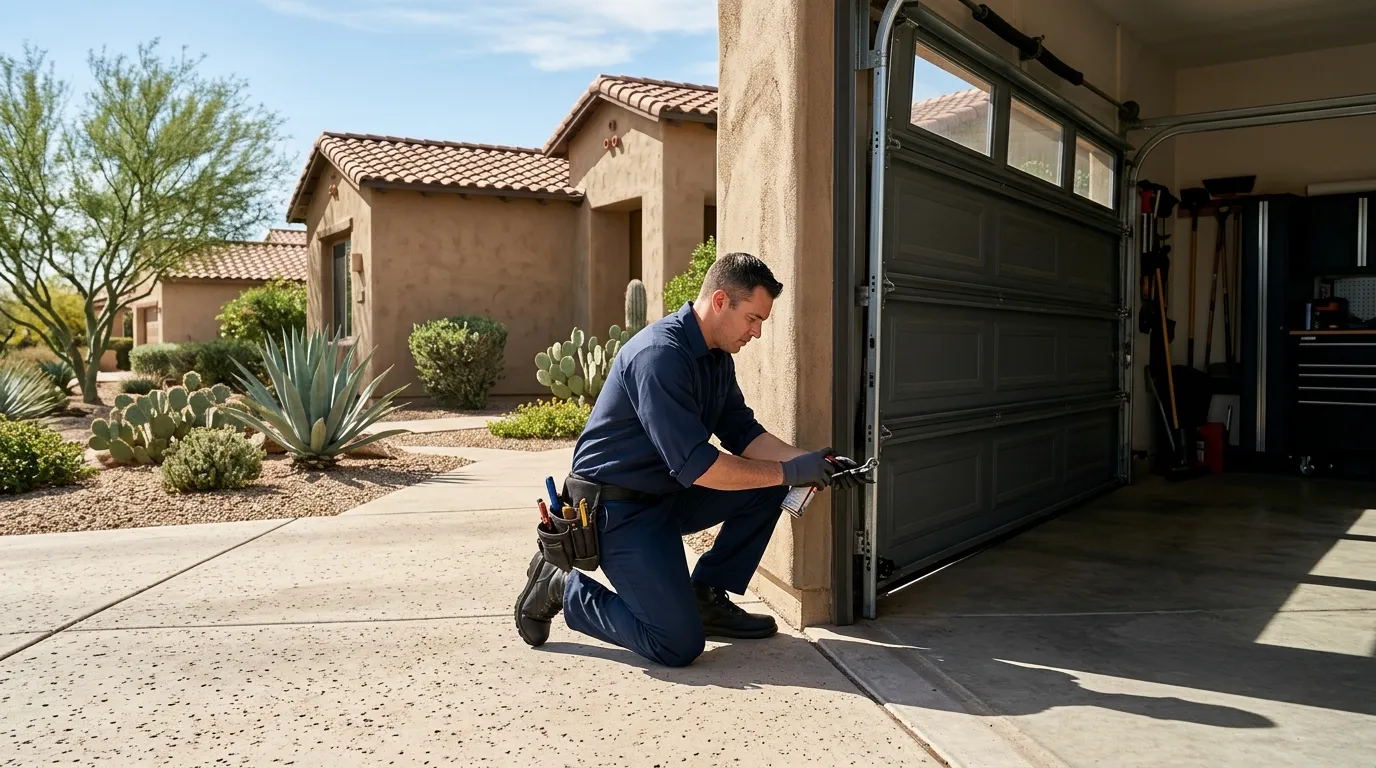
Gorman has 442 households, a small enough number that it doesn't drive much of the call volume across the wider service area - Raleigh Garage Door Co covers roughly 30,838 households and 12,944 owner-occupied houses in total, and Gorman is a fraction of that. Median household income here runs $56,094, well under the $91,638 median across the full coverage area, which shapes the kind of jobs we take on: more repair-and-extend work, fewer full-door replacements done just for looks. The houses themselves are modest ranch and split-level builds typical of a late-1960s development, not the larger two-story frames going up in newer parts of the area. That combination - older door, tighter budget - means we default to fixing what can be fixed and only recommend replacement when the door or opener is genuinely past safe repair.