
Why It Happens Here
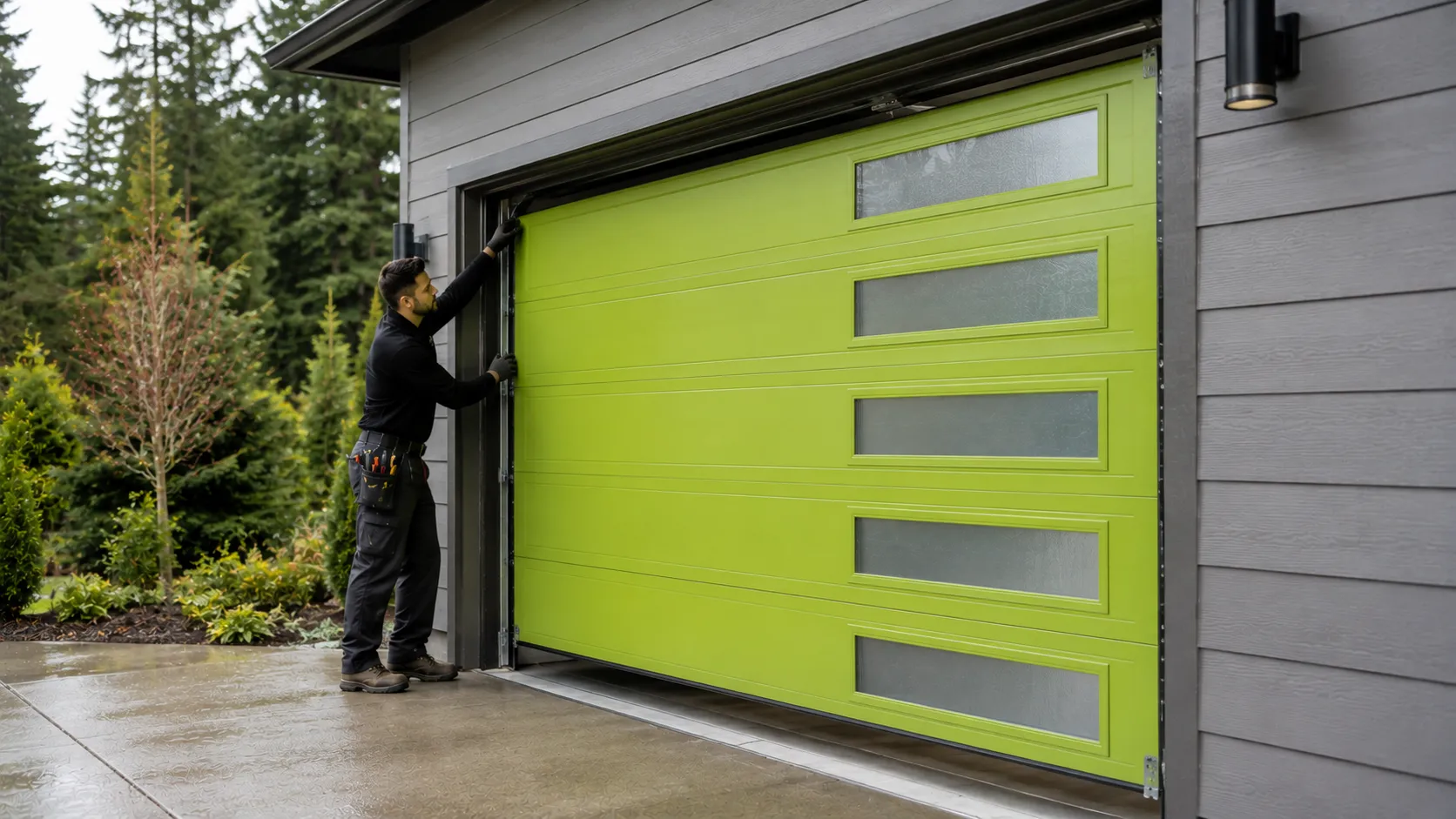
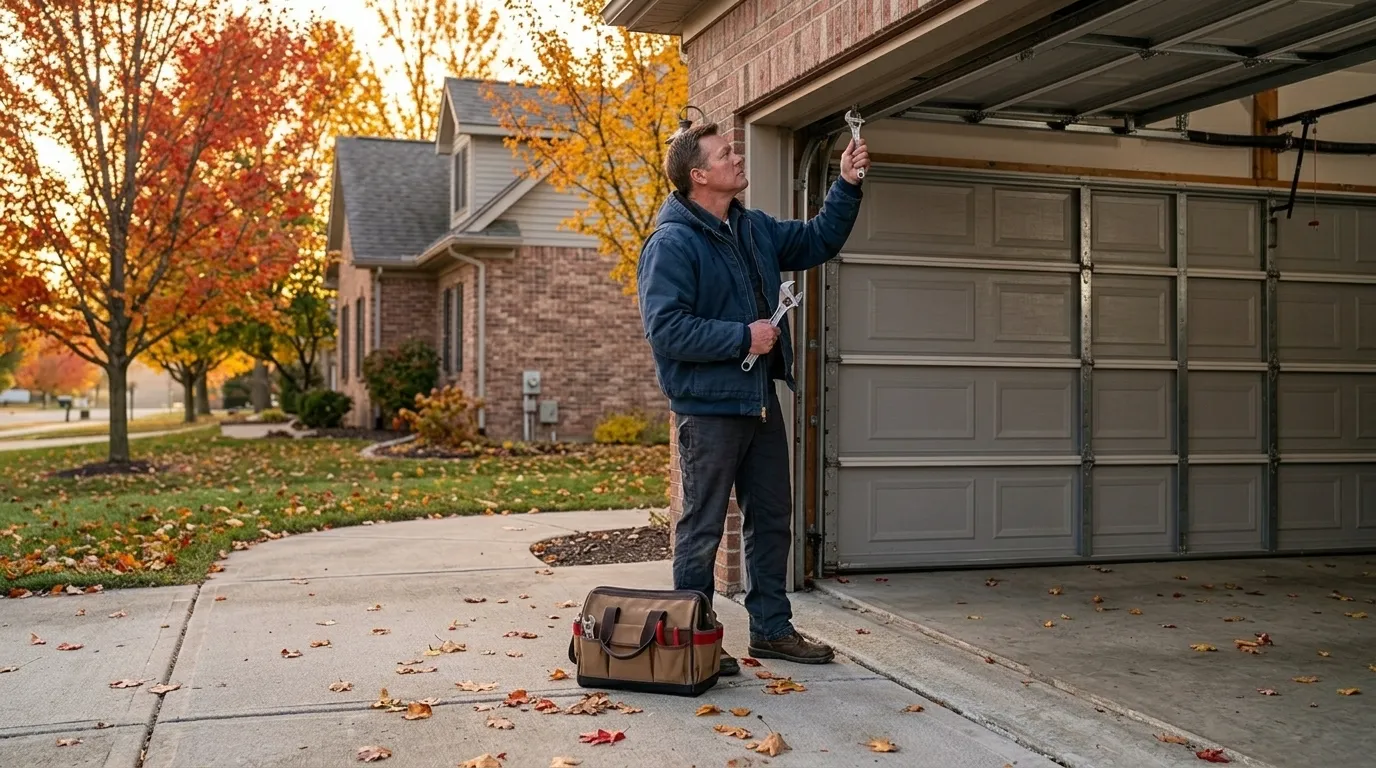
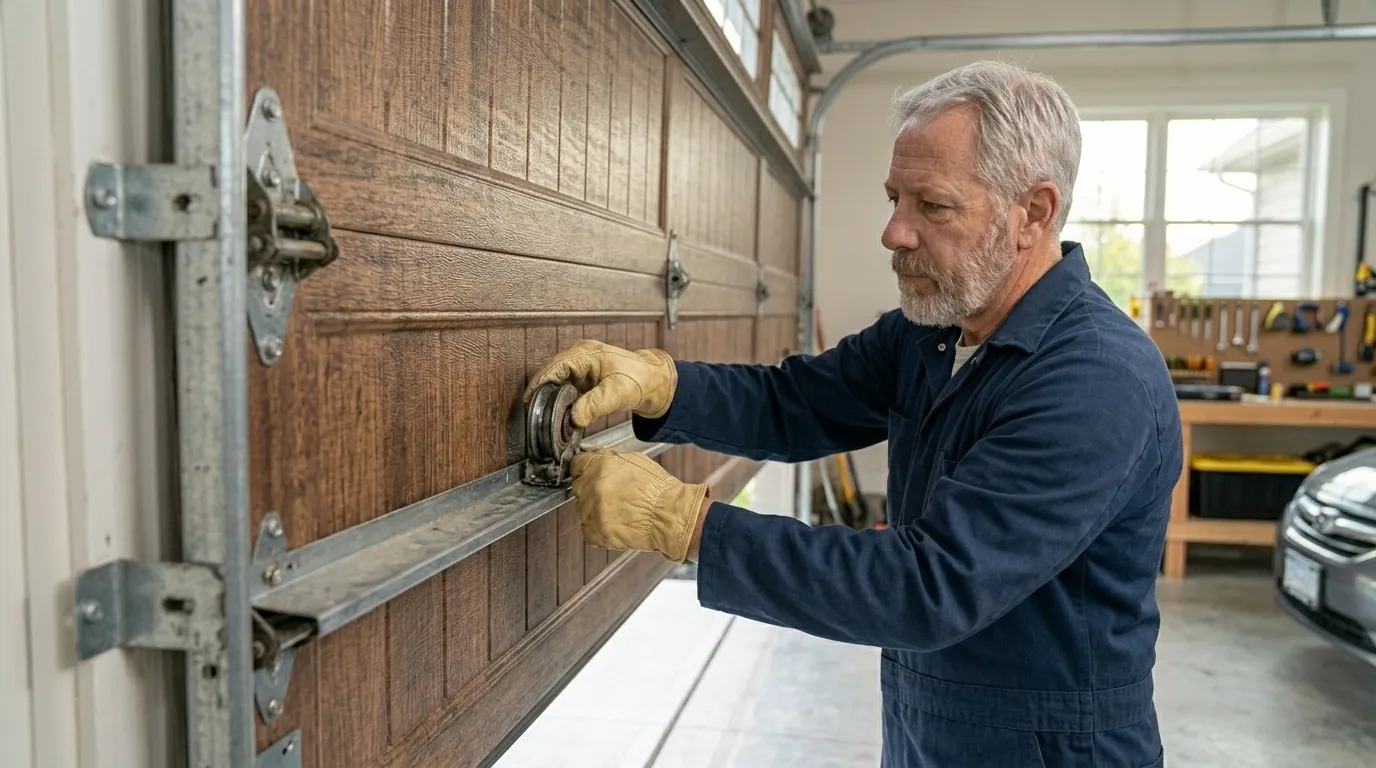
Wendell's housing wasn't built in a single wave of identical tract homes the way some suburbs are - the service area runs across seven named zones with 2000s stock dominating most of them - but the median build year of 2005 still tells you what kind of hardware is common on the doors. Builders working that era mostly speced 10-ball steel rollers on stamped brackets, not the sealed nylon rollers that show up on doors installed today. Steel rollers of that vintage don't have the same bearing protection, so they're more sensitive to the cold-moderate winters this part of the state gets - metal contracts, grease stiffens, and a roller that was already worn starts binding hard on the first genuinely cold morning of the season.
Income and household counts don't change how a roller wears, but they do describe who's calling: this is a service area of just over 4,100 households with a median income near $93,800, which tends to mean owner-occupied houses that were bought new or bought once and kept - houses where a garage door has had one owner and one set of original parts for its whole life. That's a different starting point than a rental-heavy area where hardware gets swapped out with every turnover.
We don't have a specific weather event on record for Wendell to point to, so we won't invent one - but the general cold-moderate climate band this region sits in is enough on its own to explain accelerated wear on original steel rollers.
How Long You Are Without the Door
We're honest about this part because it matters for planning: we run out of Raleigh, roughly 16 miles from Wendell, so there's no local branch stock to pull from. A straightforward roller swap - replacing a full set of ten rollers on a standard double door - doesn't usually require a special-order part; nylon replacement rollers in standard sizes are common stock, not something we wait on.
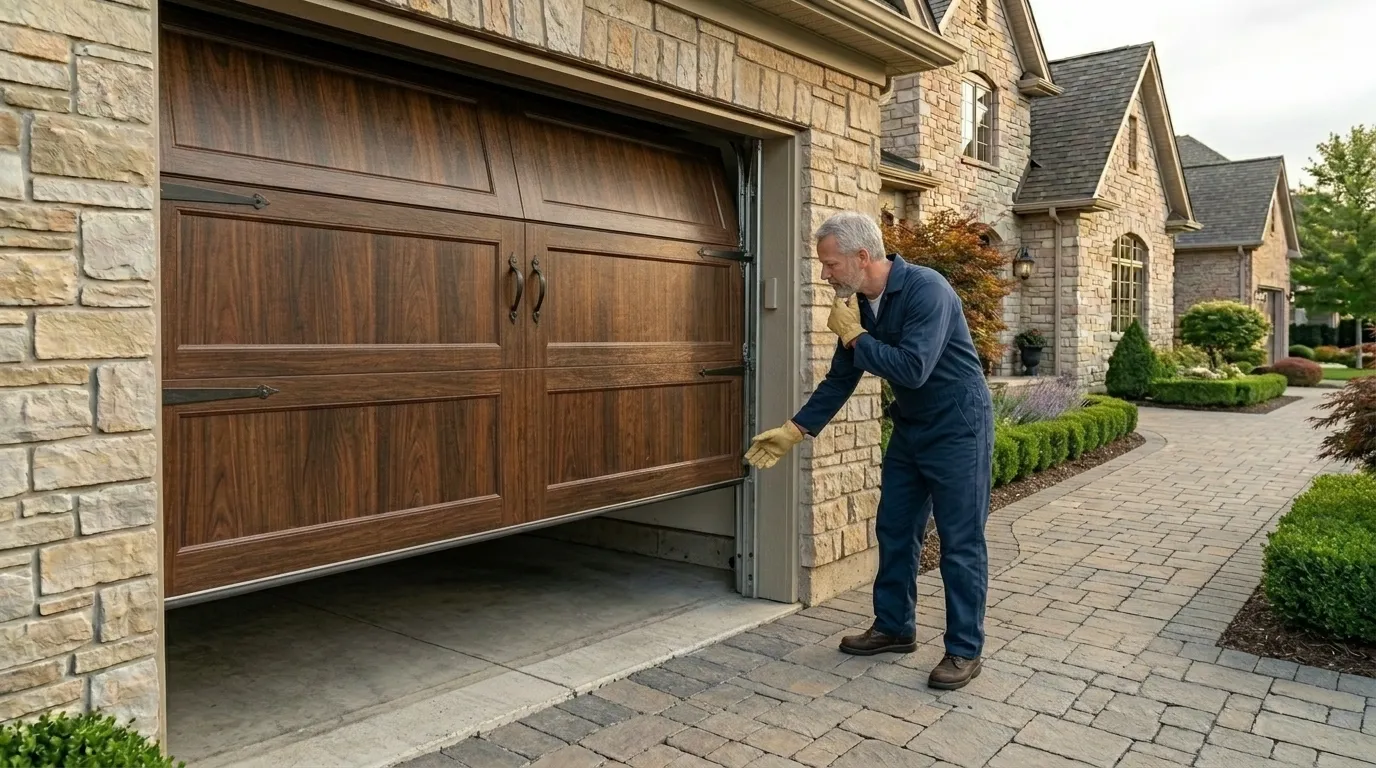
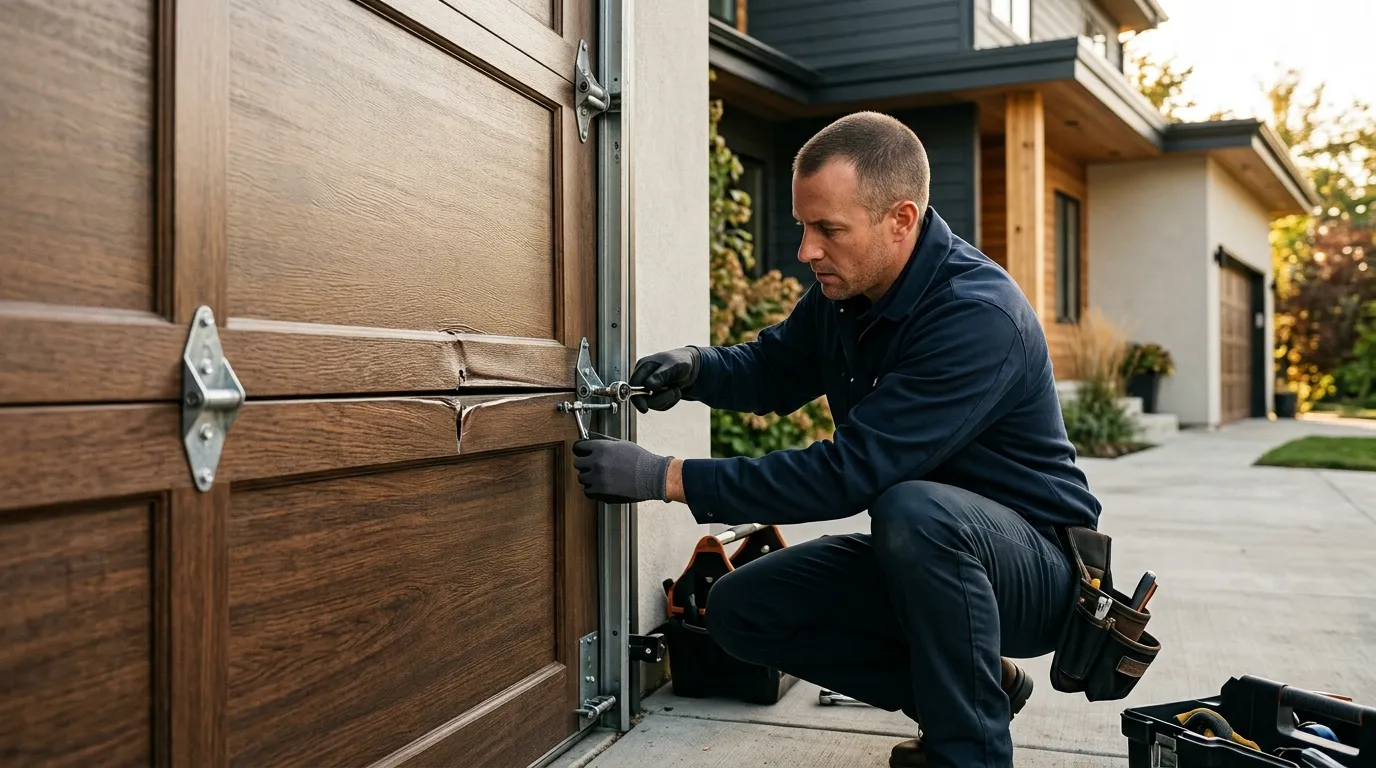
Where it gets slower is if the original steel rollers have already scored or gouged the track, which happens more often than you'd expect on a roller that's been grinding for months before anyone calls. At that point the job isn't just rollers, it's rollers and track, and track sections aren't always something we're carrying on the truck for every stem length and radius. That's the honest limitation: we can usually turn a clean roller job the same visit, but a job that's grown into track replacement may need a second trip once we've confirmed what your door needs.
Either way, the door doesn't have to sit open or unusable between the diagnosis and the fix - a door with bad rollers can usually still be run manually or left closed and locked while parts are sorted, it's just not something to keep operating on the opener.