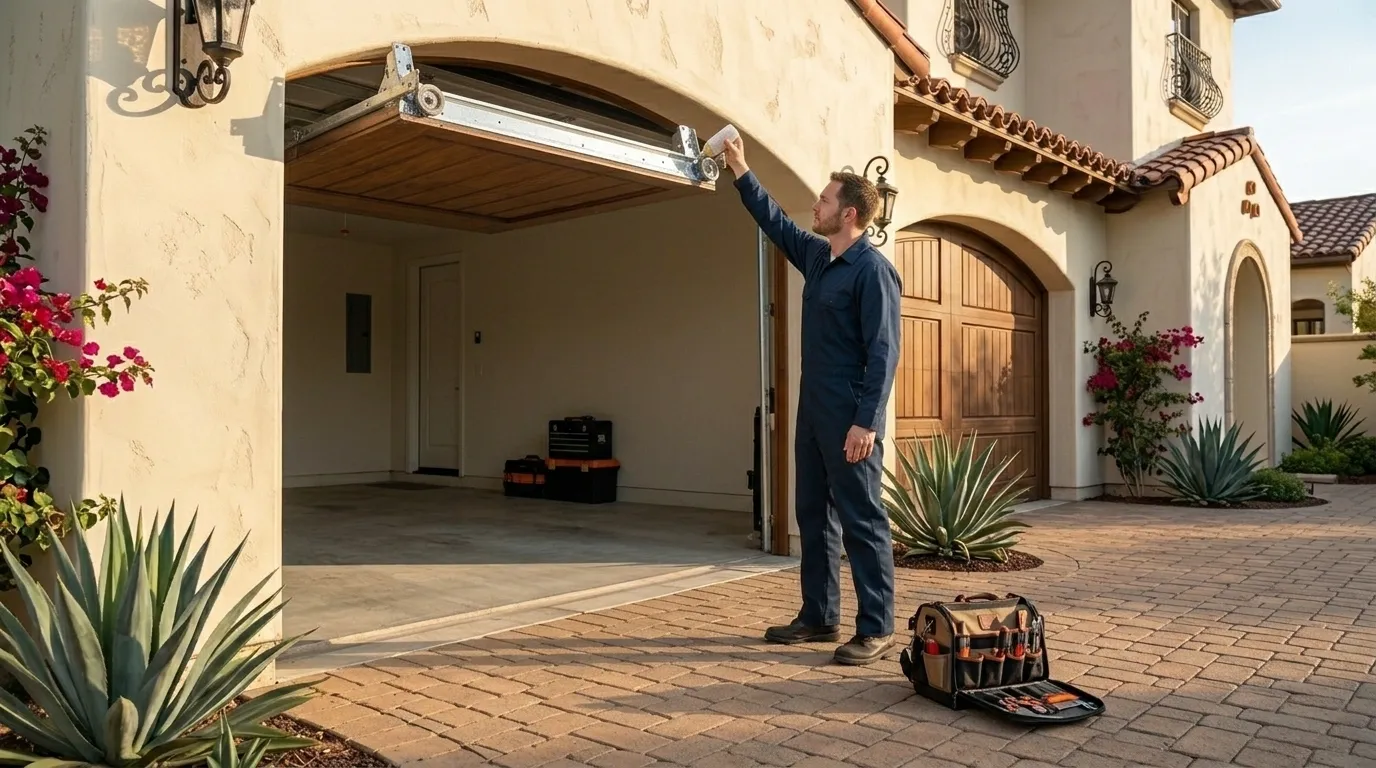
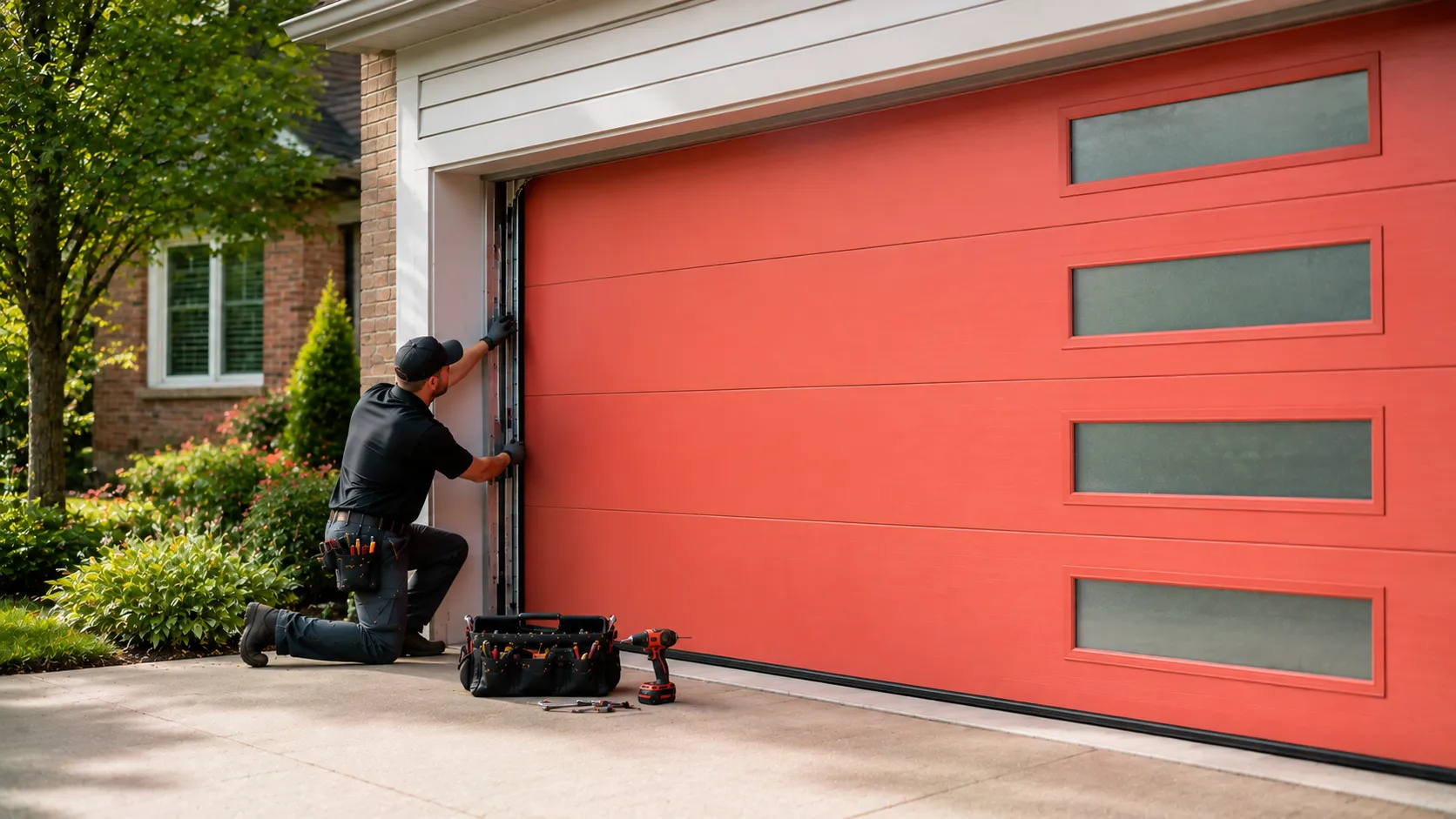
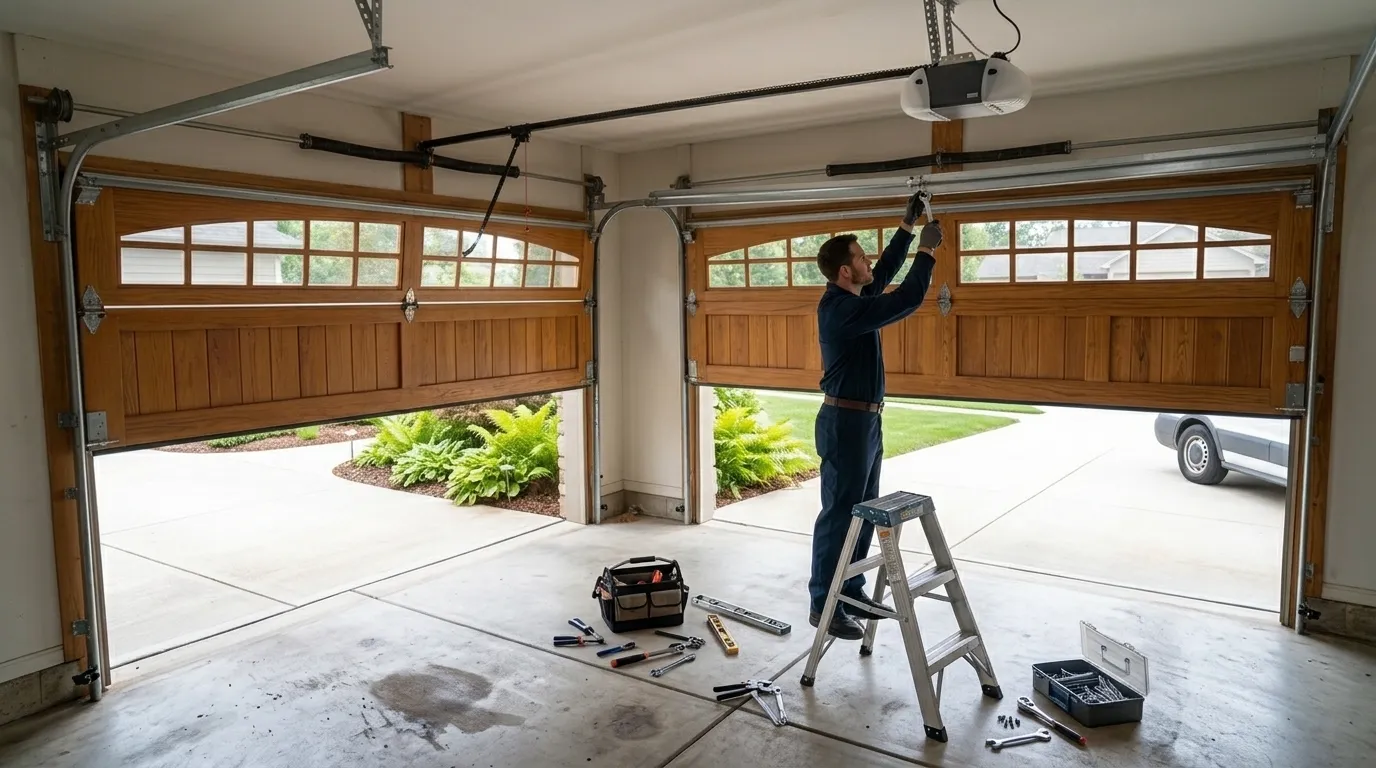
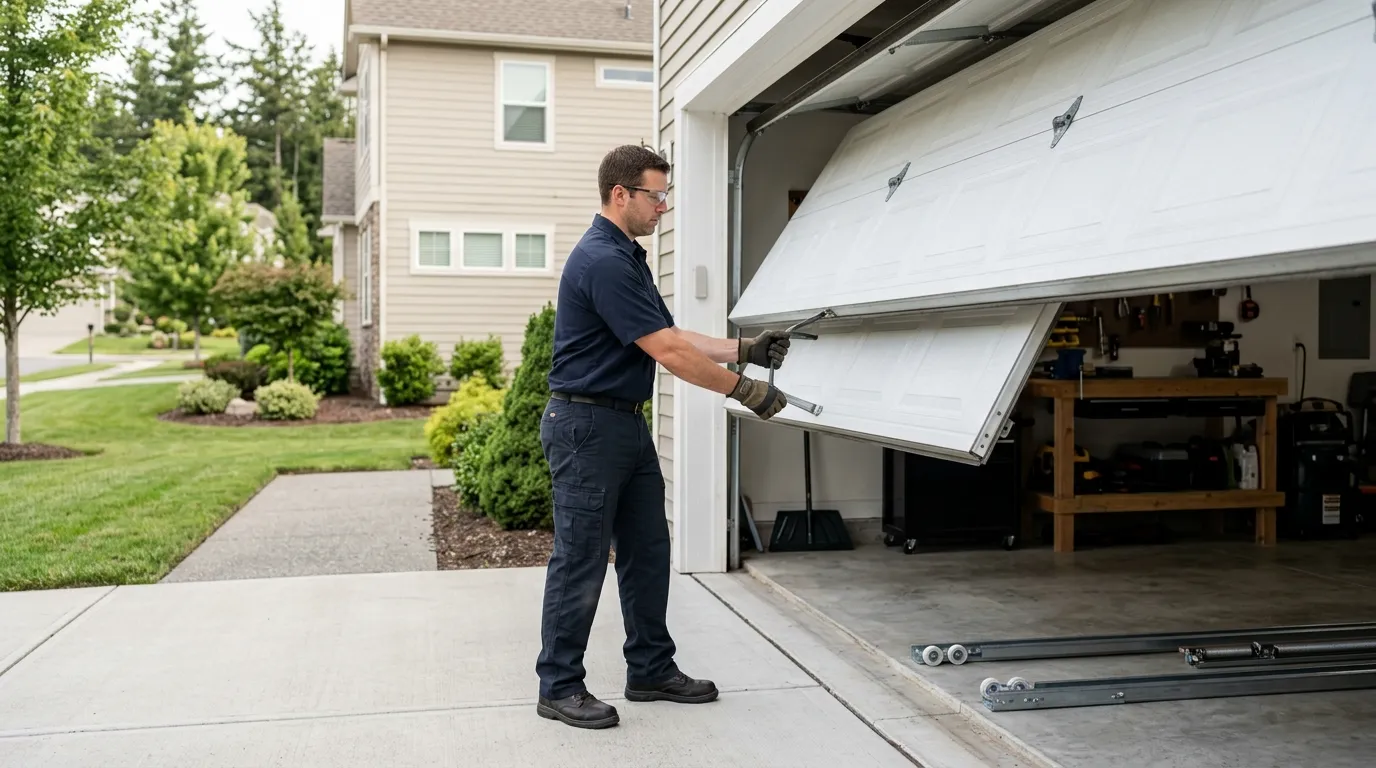
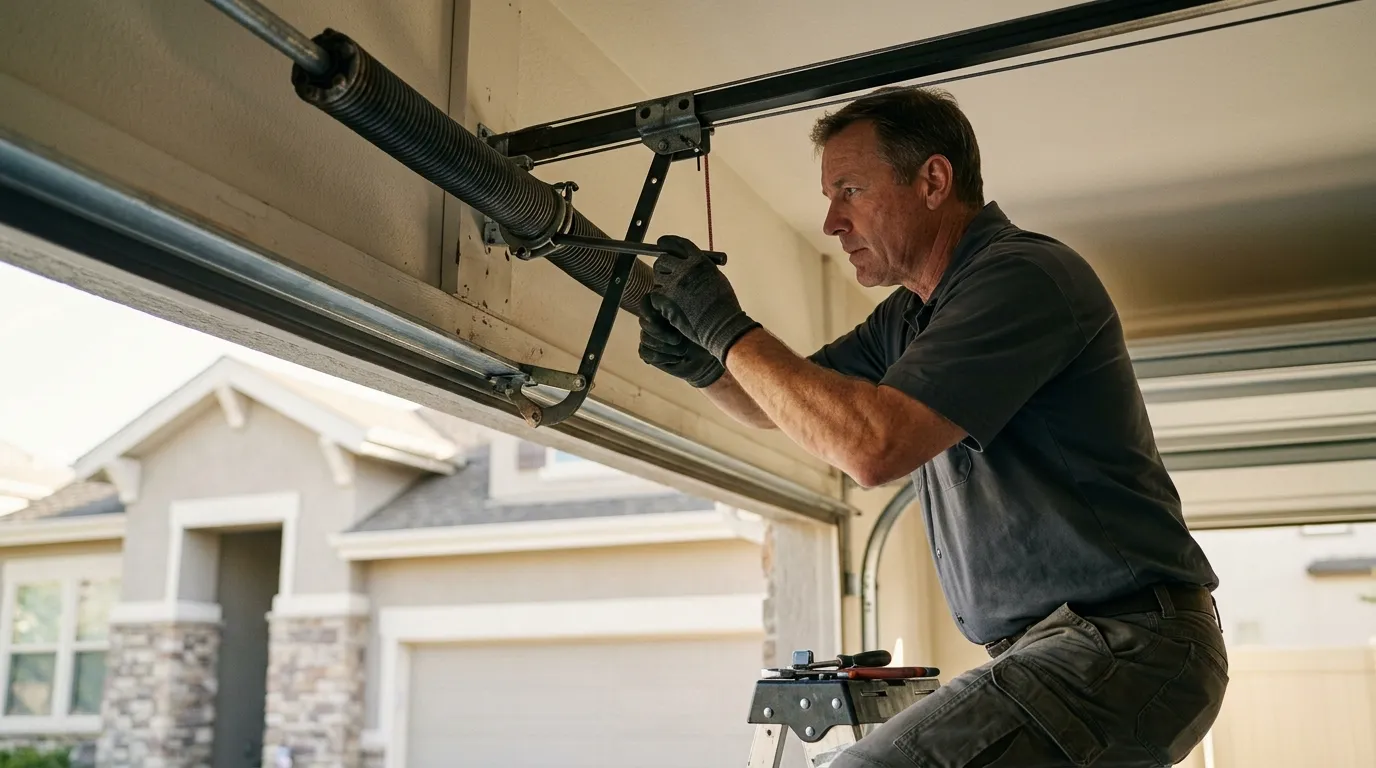
Rollers worn, loud, or jumping the track on your Raleigh garage door? We replace them and explain why housing built since the late 1960s wears them out fast.
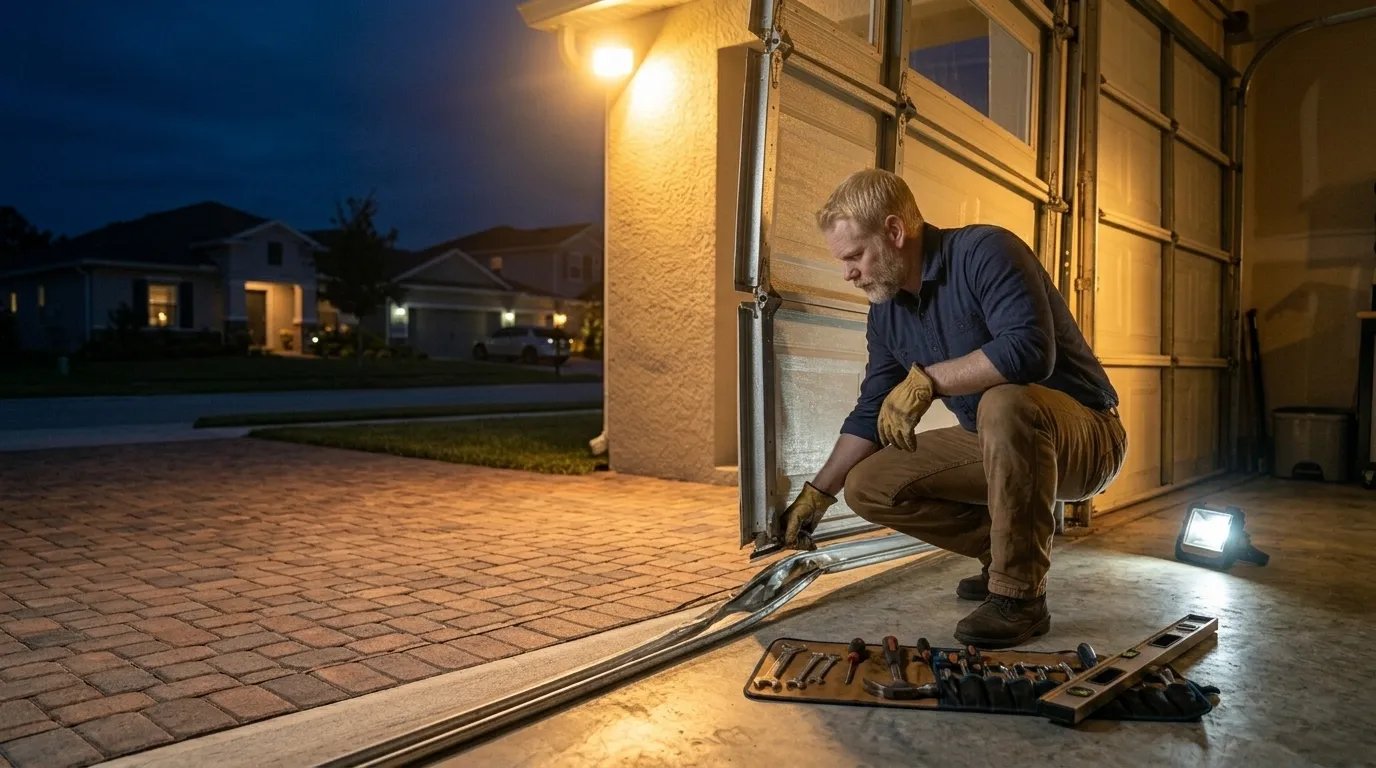
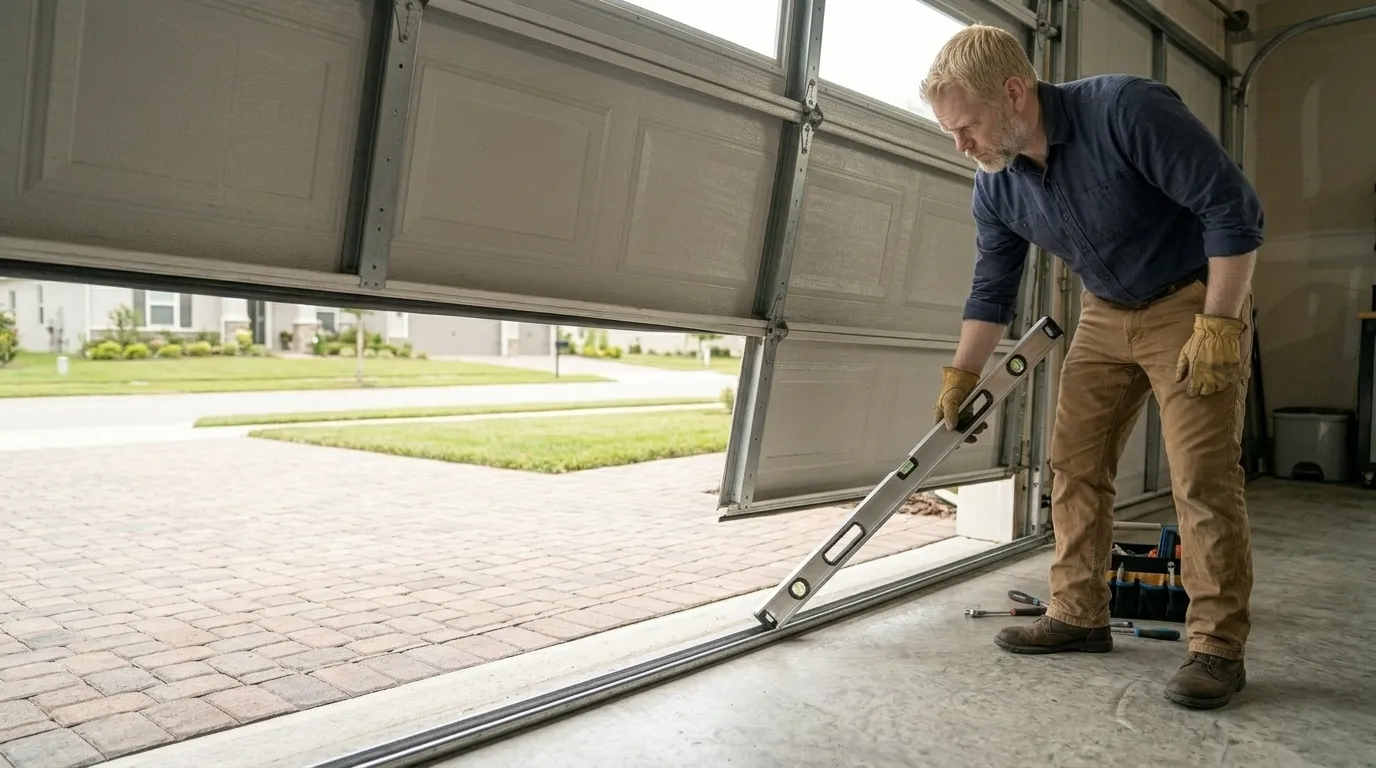
You hear it before you see it: a grinding rattle every time the door rolls up, or a hard clunk right where the roller crosses the vertical-to-horizontal bend in the track. Sometimes the door jumps sideways in the track for a second, then settles. Sometimes a roller stem has worked loose from the hinge and the wheel itself is chipped or missing chunks of nylon. Pull one off and you'll often find the bearing seized solid, so the stem is grinding straight against the track instead of rolling through it.
Housing stock in this part of the Triangle was mostly built between 1967 and 2013, with the median landing around 2005, and across the seven named areas we work in, that 2000s building-boom stock dominates. That means a lot of doors out there are still running the builder-grade rollers they shipped with - usually plain nylon on a steel stem, no bearing seal, sized for a door that was new when the house was. Those rollers have a working life, and once you're past it, the failure doesn't announce itself gently. It grinds, cracks, and eventually breaks a wheel clean off the stem, usually on a cold morning when you're already late.
How Long You Are Without the Door
Roller replacement is one of the faster jobs on a garage door, compared to spring or opener work, because nothing on the door needs to come off tension first if you're doing the rollers on the bottom section or anywhere below the top roller brackets. The door stays workable between removing the old roller and seating the new one - you're not leaving the opening unsecured overnight the way you might with a full panel swap or a broken spring on a heavy double door.
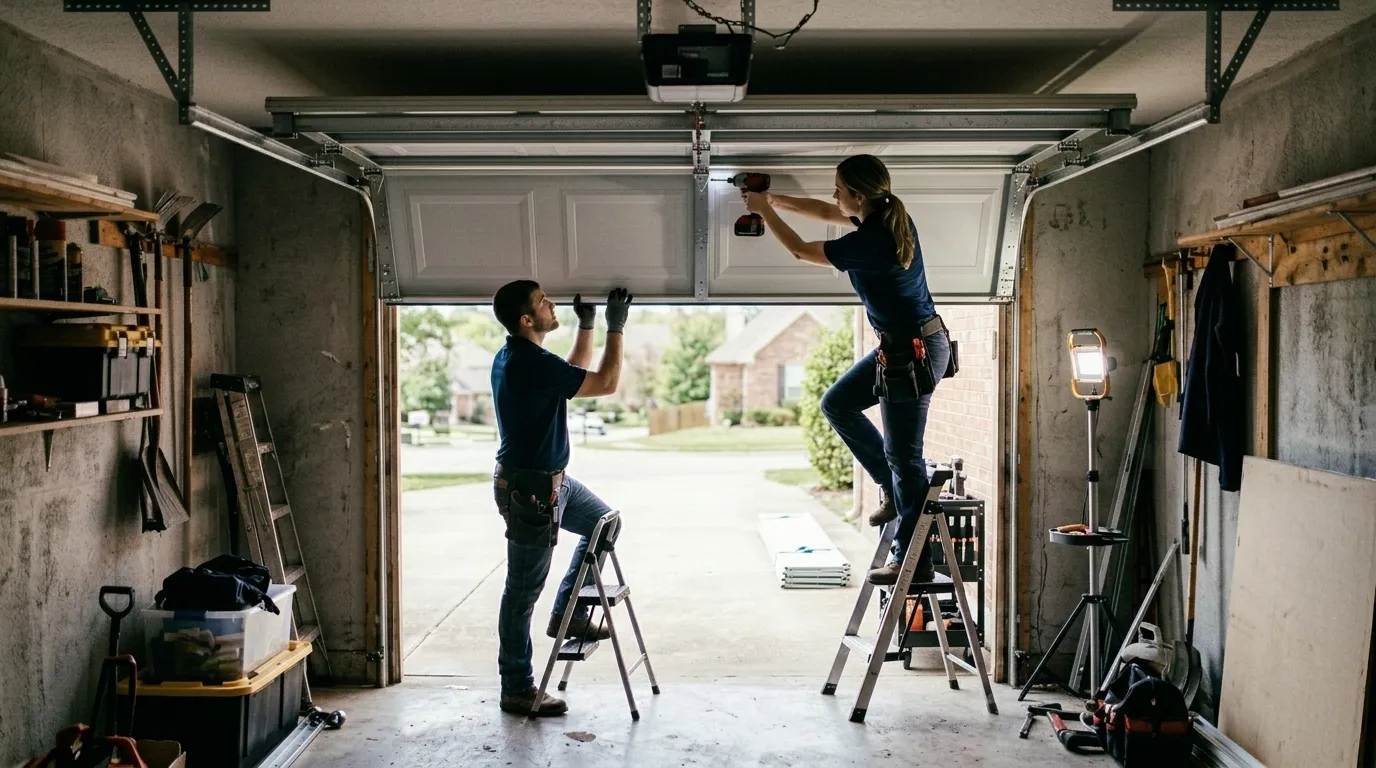
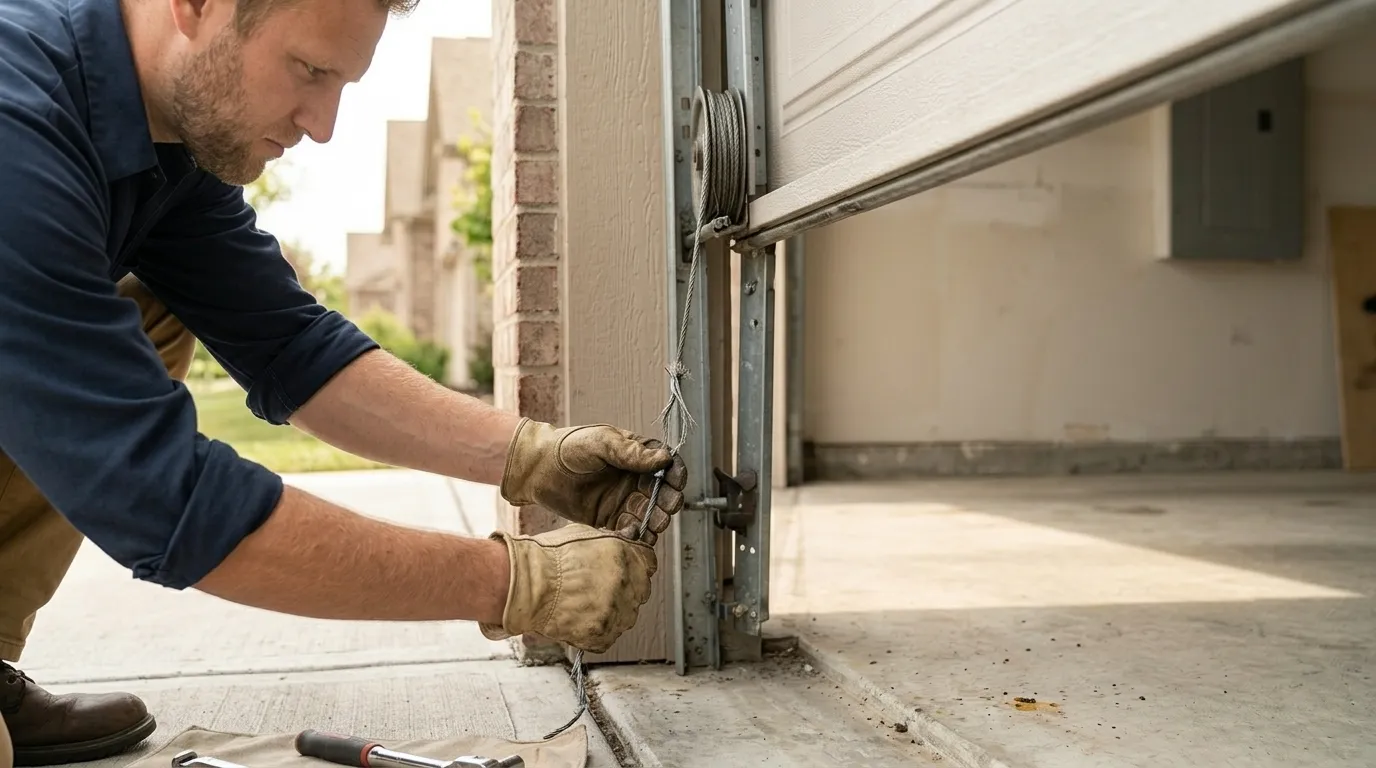
The top rollers are the exception. Those brackets sit near the spring and cable system, and the door needs to be secured and the tension managed before that bracket comes loose, which adds time and care but doesn't turn it into a multi-day repair. If every roller on the door is original and worn the same amount - which is common with 2000s-era builder stock, since they all installed and aged together - replacing the full set in one visit is the usual approach rather than waiting for each one to fail on its own schedule.
Doing It Yourself
Bottom and mid-track rollers on a door that isn't under spring tension at that point are within reach for a homeowner with the right tool - you need a roller puller or a lot of patience, a step ladder, and a torsion door with the spring untouched. If a roller has broken and the door is stuck partway, don't force it. A jammed roller can hide a bent track, and forcing the door past a bend usually turns a $20 part into a bent track that needs straightening or replacing.
What we don't recommend doing yourself: the top rollers on a door where the torsion spring is still wound, or any roller replacement on a door where a cable has jumped its drum. Those jobs put you working with your hands near a spring holding real tension, and that's the one place a wrong move causes an injury, not just a bent part. If you're not sure whether your springs are torsion or extension, or whether the door is currently under tension, that's the point to call rather than guess. We'll be straight with you if it's a job that takes ten minutes and doesn't need a truck.
Why It Happens Here
Raleigh sits in a cold-moderate climate band - cold enough for repeated freeze-thaw cycles through the winter, not cold enough that every house is built to fight it the way homes further north are. That swing matters for rollers specifically: steel stems contract and expand with the temperature, moisture works into the bearing race during the thaw, and it sits there and rusts instead of drying out, because the next cold snap locks it back up before it fully evaporates. Nylon rollers handle that swing better than steel wheels, but the stems and bearings underneath them are usually steel regardless.
Layer that onto the housing stock. Most of the service area - from four miles out to Zebulon eighteen miles east - was built between 1967 and 2013 with a median around 2005, and the 30,838 households in this area sit on 12,944 owner-occupied houses, a large share from that later stretch. A lot of that stock got the same builder-grade door package at the same time, which means the same rollers are hitting the same wear point on a lot of houses at once, regardless of which of the seven named areas the house sits.
How it works
From “it’s stuck” to “it’s fixed”
01
Tell us what’s wrong
Describe the symptom - won’t open, loud bang, opener runs but the door won’t move.
02
On-site diagnosis
A technician tests the door under power and by hand and finds what actually failed.
03
Clear, up-front plan
You get the fix that’s needed and what drives the cost - before any work starts.
04
Repaired & tested
The repair is done, the door is set true and tested, and the work area left clean.
Serving Raleigh, NC - tell us what your door’s doing and we’ll take it from there.
01Do all four rollers need replacing, or just the noisy one?
If the rollers are original and roughly the same age, we usually replace the full set rather than the one that failed first - the others are close behind it and you'd be paying a second call-out for the same job. If one roller is newer or was already swapped, we'll leave the good ones and only replace what's actually worn.
02Can I replace garage door rollers without dealing with the springs?
Bottom and side rollers, yes - they're not near the spring system. Top rollers sit close to the cable drums and spring anchor, so those need the door secured and tension accounted for first. If you're not sure which kind of spring your door has, that's a sign to have it looked at rather than guess.
03Why do my rollers wear out faster than my neighbor's newer door?
Builder-grade rollers from the same era wear at roughly the same rate, so a house built in the same wave as its neighbors often has hardware failing around the same time. Steel stems and bearings also react to freeze-thaw cycling here, which speeds up rust in the bearing race regardless of how well the door was installed.
04Is a grinding noise always the rollers and not the opener?
Not always, but a grinding sound that's timed to the door's movement and gets louder at the same spot in the track every cycle usually points to a roller, not the opener motor. An opener problem tends to sound the same whether the door is halfway up or fully open. If you're unsure, that's worth a second look before you replace parts.
Ready to get your garage door sorted?
Tell us what it’s doing and where you are in Raleigh - we’ll take it from there.