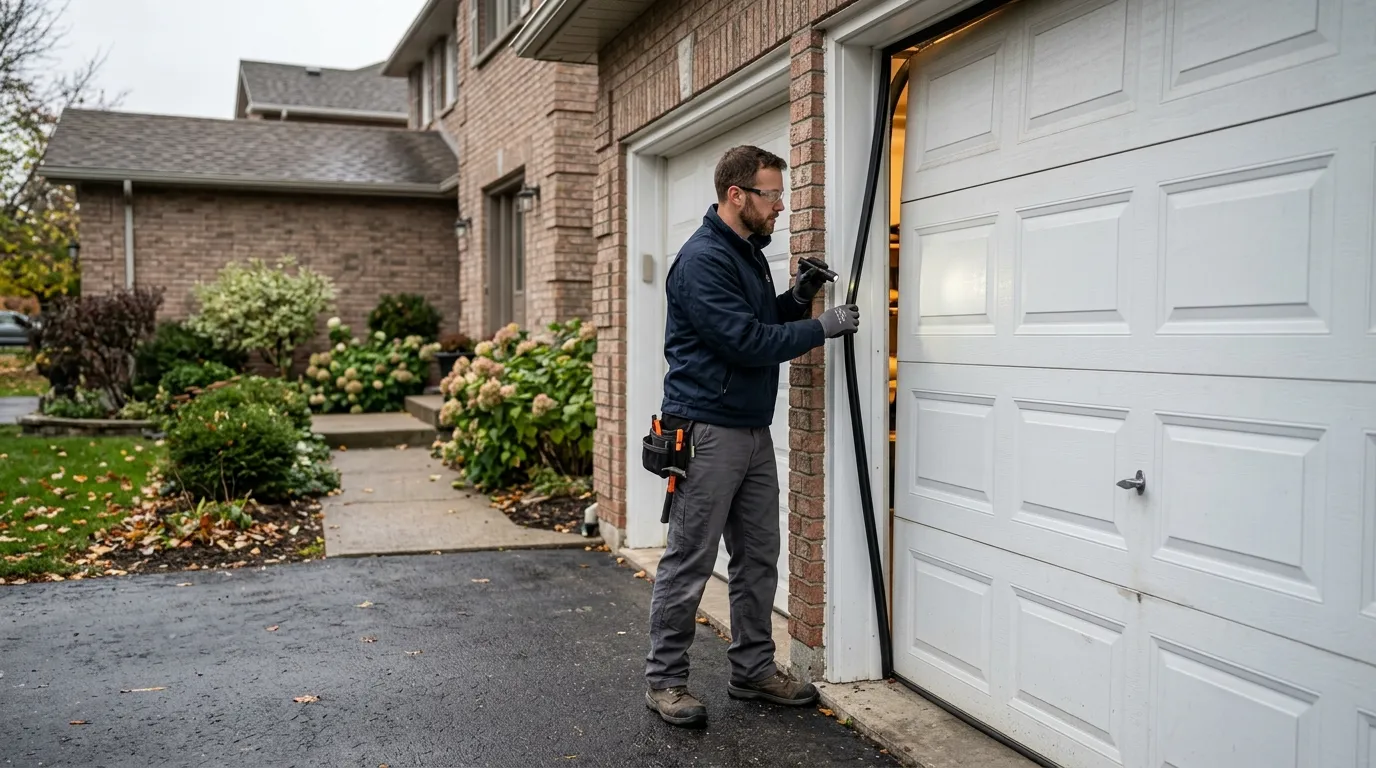
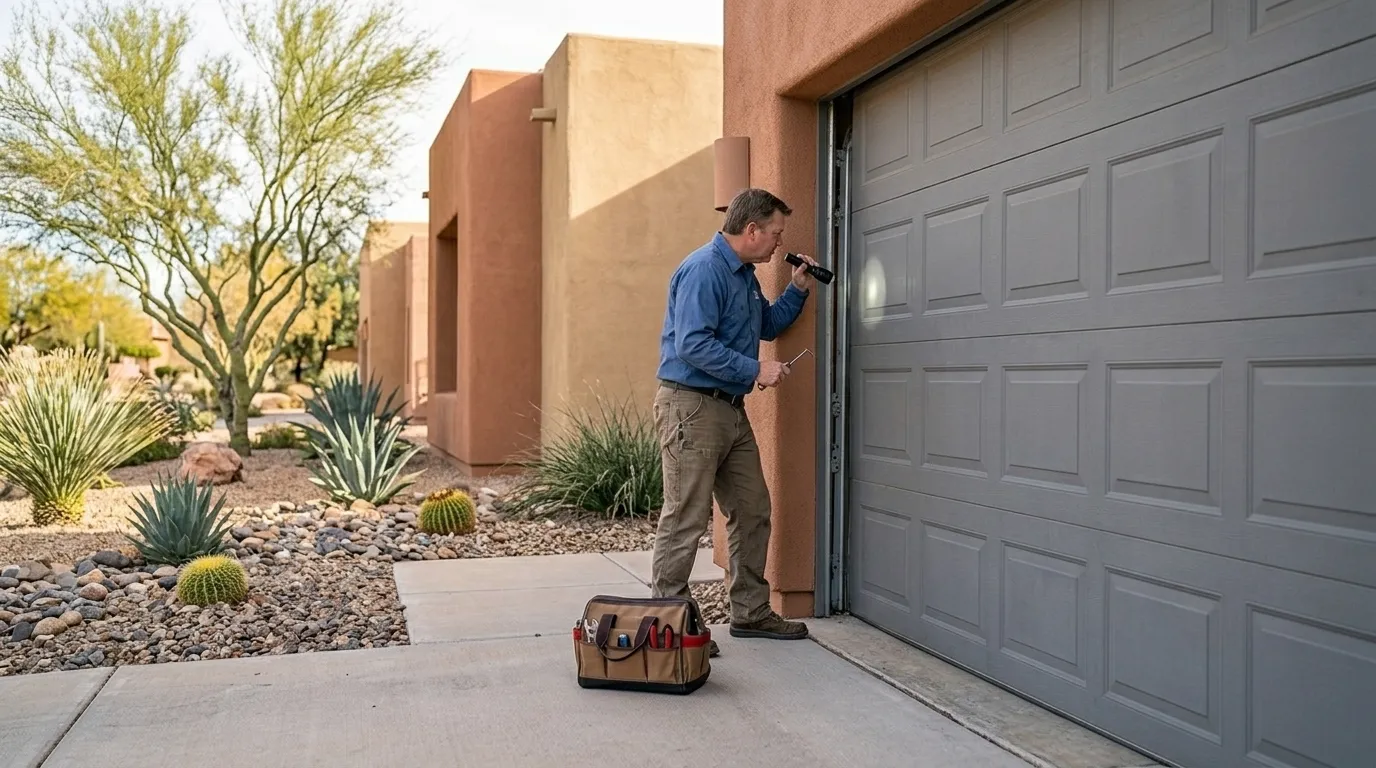
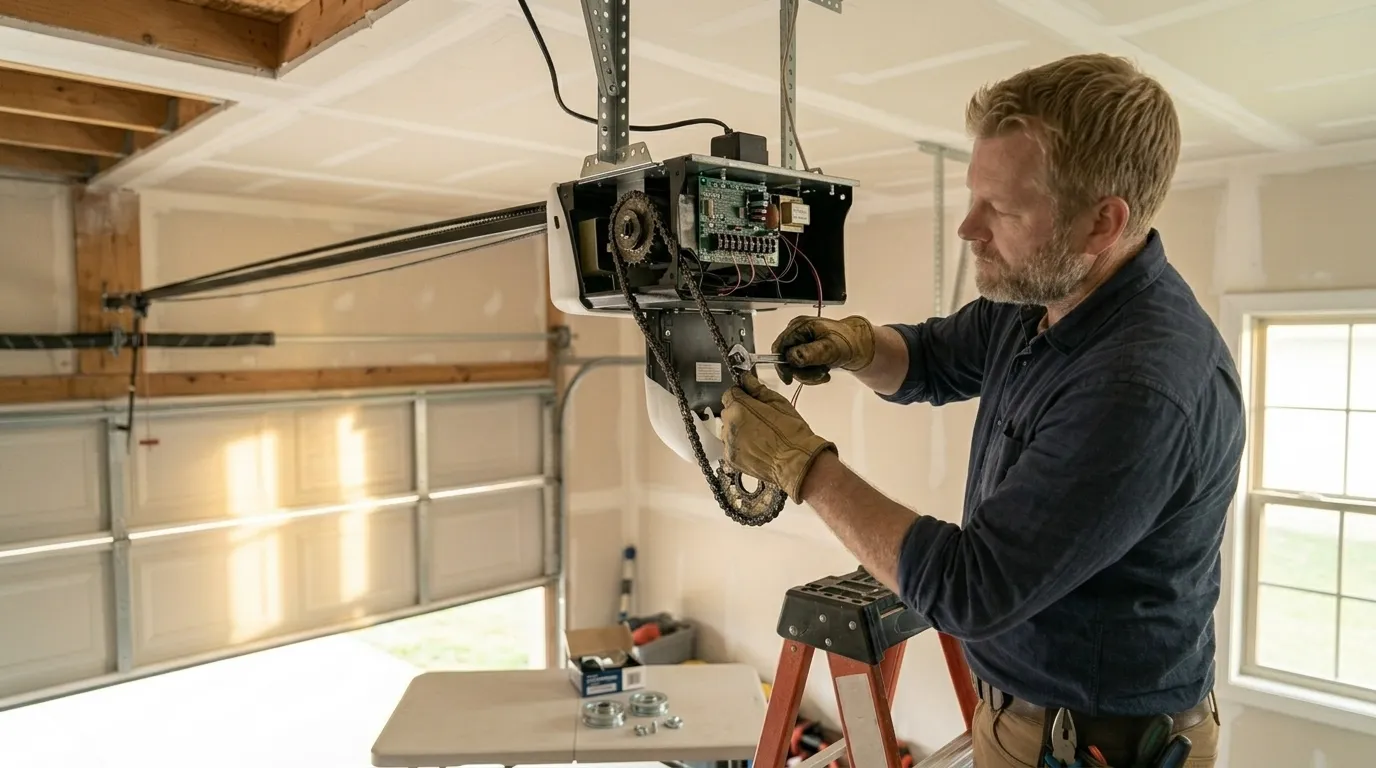
Most calls start the same way: the opener runs but the door doesn't move, or it moves and then reverses halfway up. Sometimes the light blinks a code you don't recognize, sometimes the motor just hums. Raleigh's housing stock is what drives this - homes across the service area went up between 1967 and 2013, with a heavy concentration built during the 2000s, and that means a lot of original chain-drive units are now 15 to 20 years old. In neighborhoods like which fall squarely in that 2000s wave, we see the same worn sprocket, stripped gear, or dying circuit board over and over. Older Downtown-area houses with pre-2000 openers show a different pattern - relay contacts pitted from age rather than a bad logic board. Either way, the fix isn't a fresh coat of WD-40 on the rail. It's a new opener sized to the door weight and headroom that house actually has, which is why we look at the door and the framing before we quote a unit, not just the brand name on the box that's failing.
How Long You Are Without the Door
A dead opener doesn't always mean a stuck door - if the release cord works, you can pull the trolley and lift the door by hand until the new unit is in. That's manual labor every time you come and go, but it's not a locked-out garage. What actually stretches the downtime is parts. A 20-year-old chain-drive unit from the 2000s building boom often uses a logic board or rail size nobody stocks locally anymore, so repair isn't realistic - replacement is. Once you're set on a new opener, the install itself is a same-visit job for most doors: mounting the head unit, running the rail, setting travel limits, and pairing the safety sensors. Where it runs longer is torsion spring or track work on top of the opener swap, or a header that needs bracing for a heavier belt-drive unit. We won't quote a downtime window here because it depends on what's actually wrong with your specific door - that's a conversation for the visit, not a blanket promise on a page.
Doing It Yourself
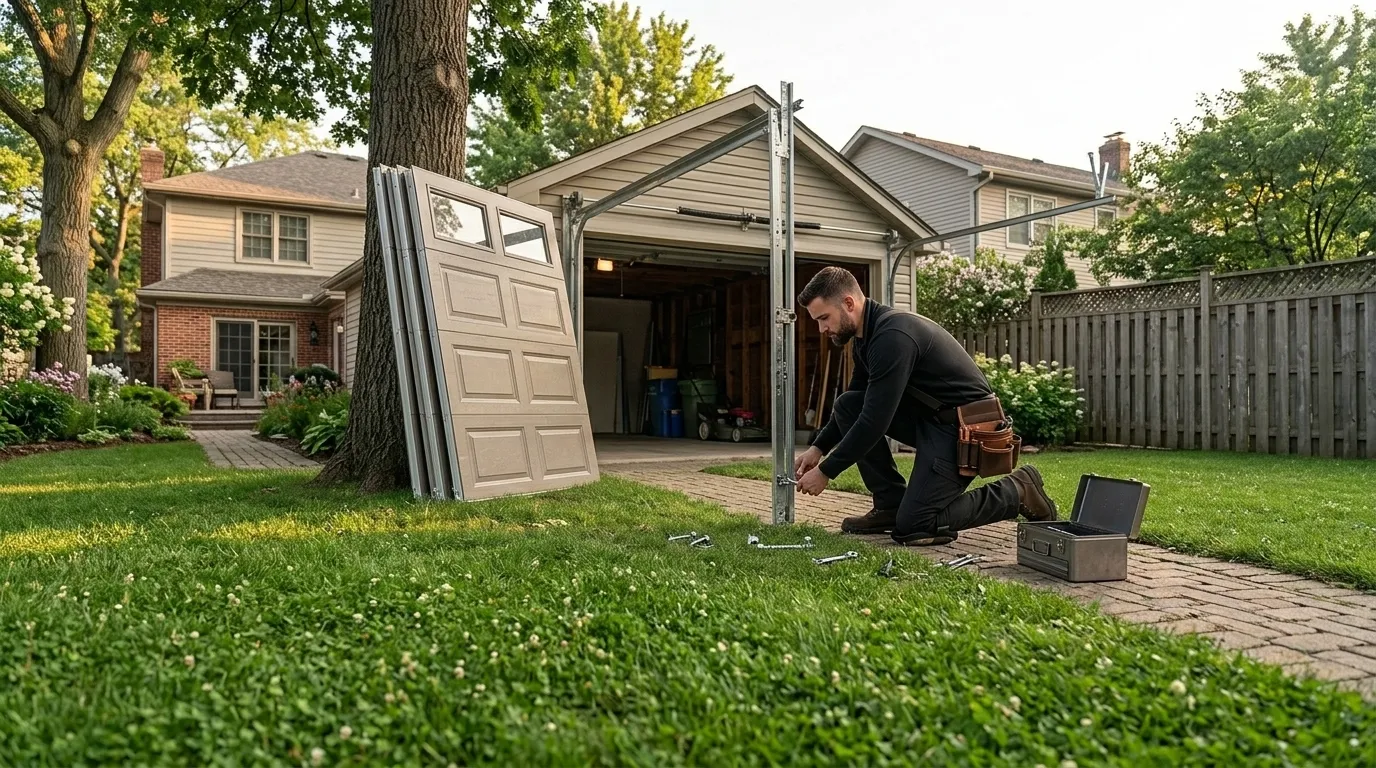
Swapping a garage door opener yourself is possible if you're comfortable on a ladder, know how to read a wiring diagram, and have someone to hold the rail steady while you set the header bracket. Plenty of owners do it. Where it goes wrong is the safety reversal setting - too sensitive and the door won't close over a leaf pile, too loose and it won't stop on a foot. Get that wrong and you've got a door that either won't close at all or closes on something it shouldn't. The other spot people underestimate is header framing: older houses in the service area, especially ones built before the 2000s wave, sometimes have headers that were never braced for a heavier belt-drive motor, and the unit works loose within a year. If your door is on torsion springs and one of them is already weak, don't start an opener job without dealing with the spring first - a spring failure mid-install is not a DIY moment. We're honest that this isn't a job requiring a truck full of specialty tools, but the safety calibration is where most self-installs come back to us anyway.
Why It Happens Here
Raleigh sits in a cold-moderate climate band, which doesn't sound dramatic next to true winter climates, but it's enough to matter for an opener. Grease in an aging chain drive stiffens on cold mornings, and that added resistance is often what finally trips a worn safety reversal sensor or strips a plastic gear that was already near its limit. Combine that with the housing timeline - most of the service area's roughly 30,838 households and 12,944 owner-occupied houses were built between 1967 and 2013, with the heaviest concentration in the 2000s - and you get a large stock of openers all aging into failure around the same window. With a median household income near $91,638, most owners here aren't looking for the cheapest chain-drive replacement off a shelf; they're asking about belt-drive units with battery backup, since a cold-snap power blip and a stuck door tend to happen the same week. None of this is unique to one street or one house - it's a function of when the neighborhood went up and what the winters do to aging hardware, which is exactly why opener age matters more here than the brand stamped on the motor.
How it works
From “it’s stuck” to “it’s fixed”
01
Tell us what’s wrong
Describe the symptom - won’t open, loud bang, opener runs but the door won’t move.
02
On-site diagnosis
A technician tests the door under power and by hand and finds what actually failed.
03
Clear, up-front plan
You get the fix that’s needed and what drives the cost - before any work starts.
04
Repaired & tested
The repair is done, the door is set true and tested, and the work area left clean.
Serving Raleigh, NC - tell us what your door’s doing and we’ll take it from there.
01How do I know if I need a new opener or just a repair?
If the motor runs but the door won't move, or reverses without hitting anything, that's usually a gear, board, or sensor issue - sometimes repairable. If the unit is original to a house built in the 2000s wave, parts are often no longer available, and replacement ends up cheaper than chasing discontinued parts.
02Can I install a belt-drive opener on an older house here?
Often yes, but the header needs to be checked first. Some older framing in the service area was built for a lighter chain-drive unit, and a heavier belt-drive motor needs adequate bracing or it works loose. We check the header before quoting the unit.
03Will a new opener work with my existing torsion springs?
Usually, if the springs are in good shape and sized right for the door. A weak or mismatched spring makes the opener work harder than it should and shortens its life, so we check spring balance as part of any opener install.
04Does cold weather really affect the opener, not just the springs?
Yes. Raleigh's cold-moderate winters stiffen grease in an aging chain drive and can affect the tolerance of the safety reversal sensor, which is often what finally causes an old unit to fail on a cold morning rather than a warm one.
Ready to get your garage door sorted?
Tell us what it’s doing and where you are in Raleigh - we’ll take it from there.