How Long You Are Without the Door
We run this job out of Raleigh, 16 miles down the road, so there's no local branch stocking your exact panel on a shelf around the corner. A straightforward swap - one damaged section, common profile, in stock on the truck - we can usually turn around same-visit once we've confirmed the match. A panel that has to be special-ordered because the door is an odd width, an unusual color, or a style the original builder used but nobody else did, adds days, not hours, while it ships in. We won't guess at a color match over the phone; we bring samples and confirm on site, because a panel that's a shade off stands out more than the dent did.
What You Are Seeing
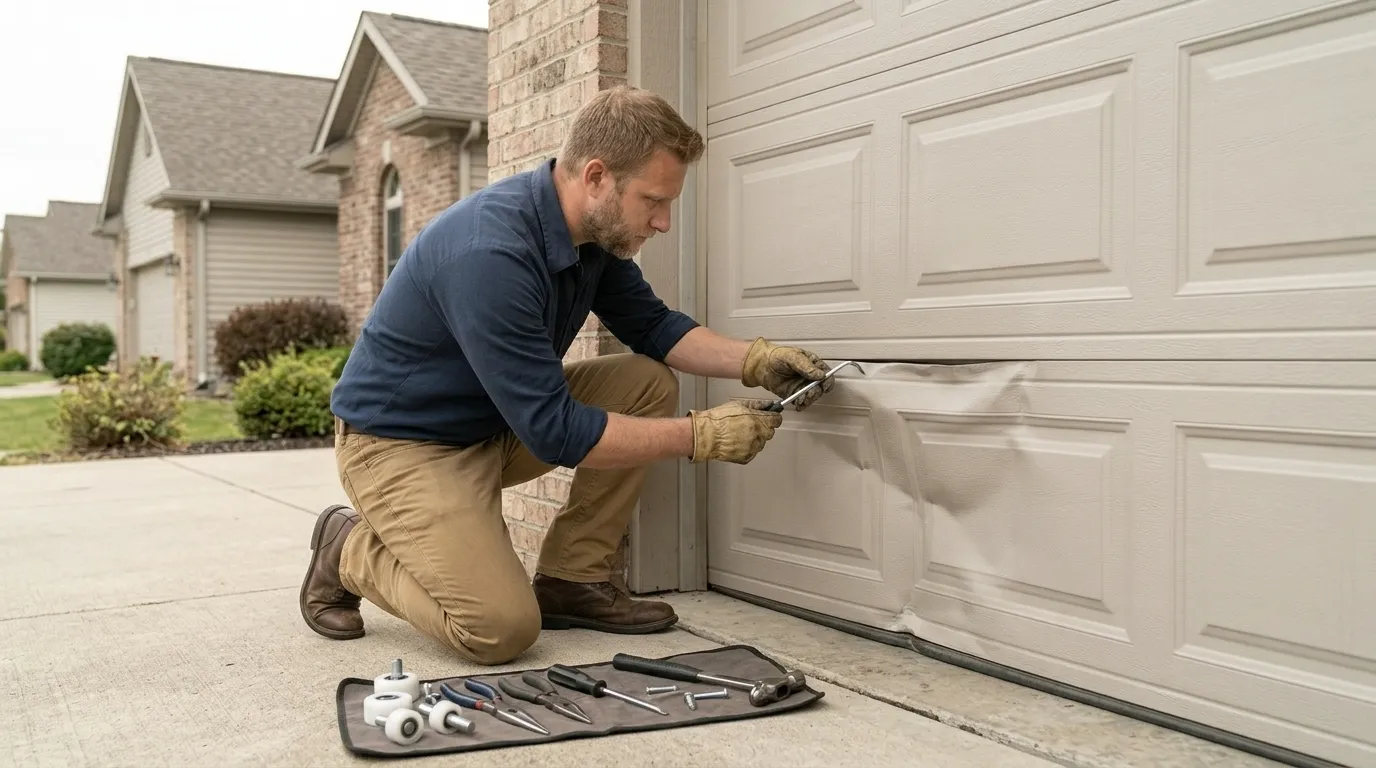
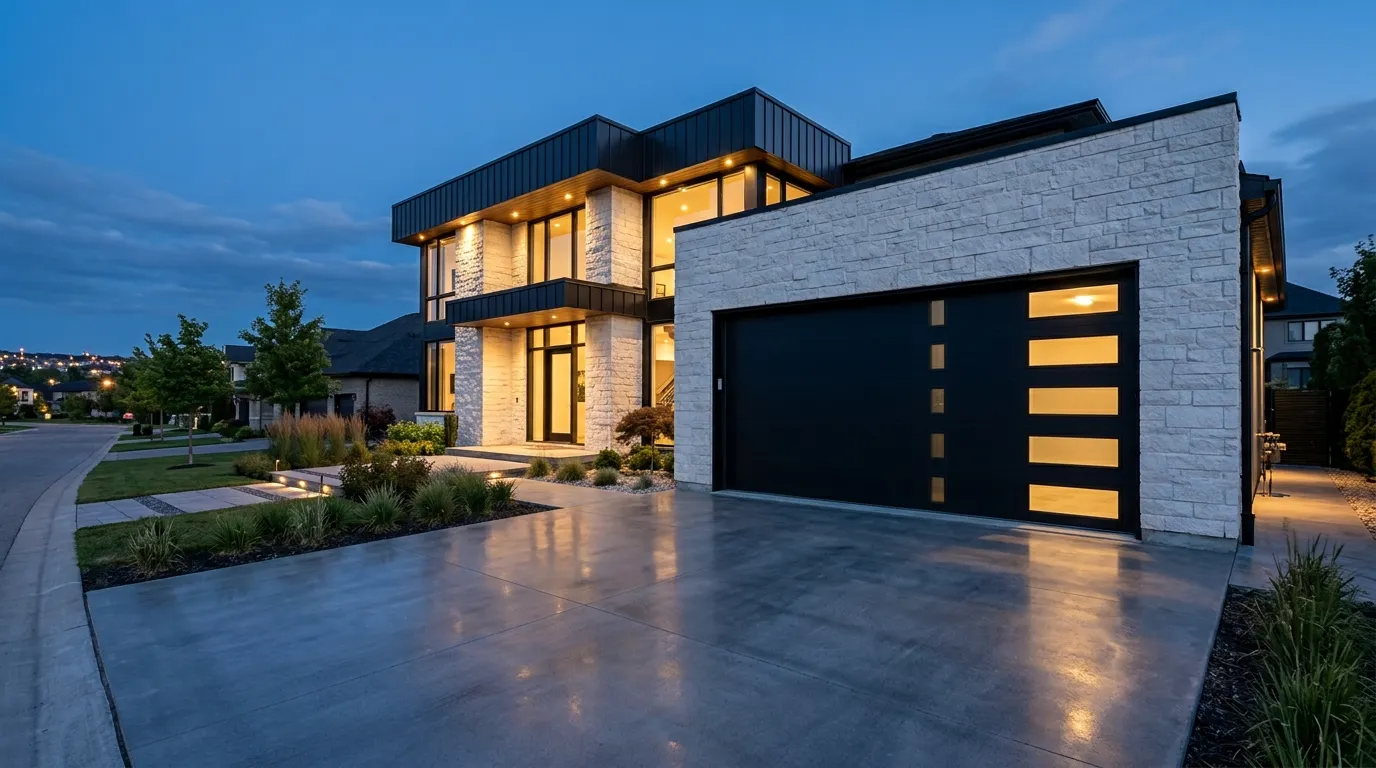
The tells are usually visual before they're mechanical. A bowed or creased panel near the bottom track, most often from a backed-into car or a shifted trash can. Bubbling paint or a rust line along the bottom edge of a section, which on a 2004-era steel door means water's been sitting in the seam long enough to get under the coat. Panels that don't sit flush against their neighbors anymore, which usually means a hinge has pulled loose from thin steel rather than the panel itself failing. On insulated builder-grade doors from this era, you'll sometimes see the steel skin separated slightly from the foam core - it looks like a soft dent that doesn't pop back. None of these mean the whole door is bad. They mean one or two sections have taken the wear the rest of the door hasn't.
What It Costs
We don't quote panel replacement blind, because the price swings on how many sections need replacing, whether the door is insulated, and whether the color and profile are in stock or special-order. What we can tell you locally: median household income in Youngsville sits at $61,813, noticeably below the wider Raleigh service area's $91,638, and that's part of why we're upfront early about whether a section repair makes sense versus a full door swap - a door with two or three failing panels and worn hinges is often close in cost to replacing it outright, and we'll say so rather than sell you a patch that won't hold.
Why It Happens Here
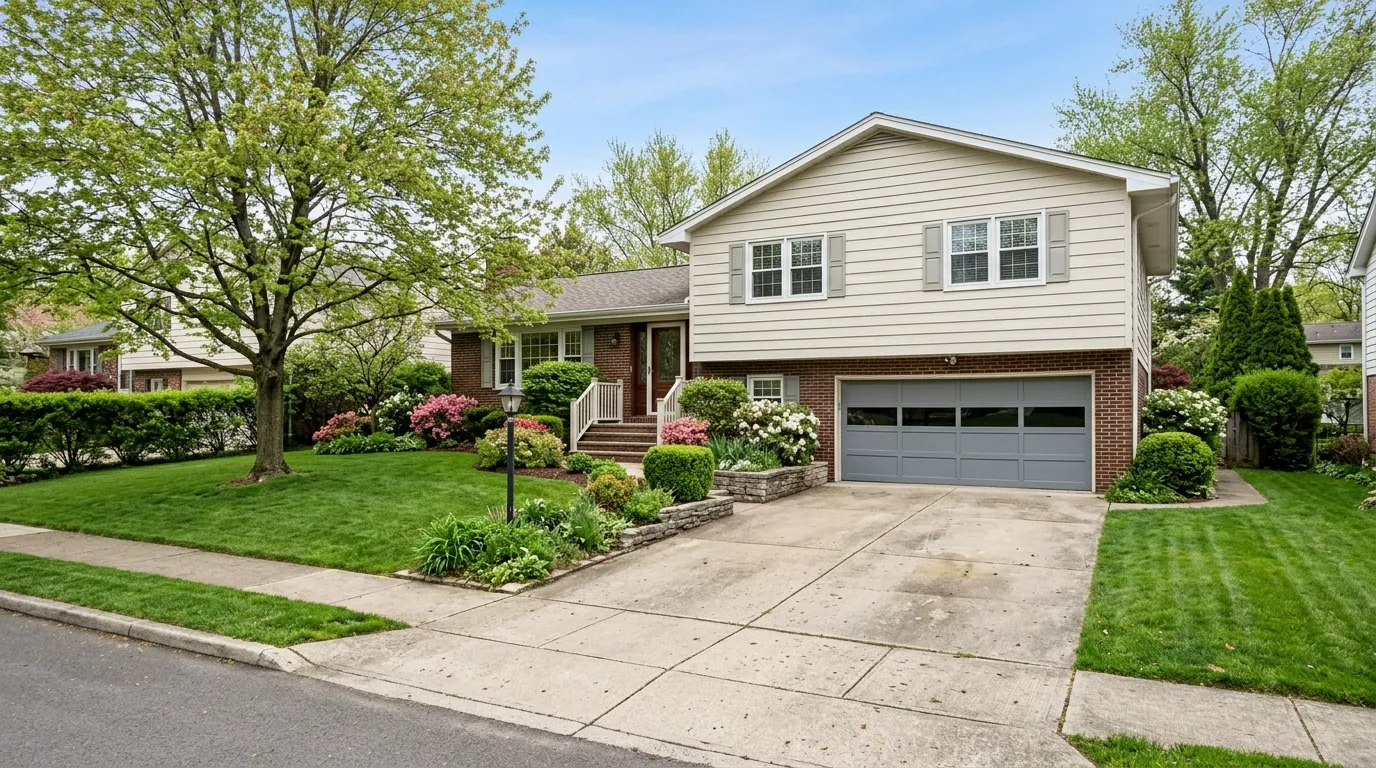
Youngsville sits far enough out - 16 miles from Raleigh - that its housing didn't fill in until later than the closer-in parts of the service area, and the 2004 median build year shows in the doors: steel sectional, builder-installed, aging into their first real hardware failures now rather than a decade ago. The region's climate band is cold-moderate, which means seasonal swings but not the extreme heat-cycling that fatigues steel skins fast - so panel failure out here tends to come from impact and slow rust rather than sun-warping alone. With 979 households in this immediate area, it's not a huge population, but it's a fairly consistent one in build year, which is why panel matching is more predictable here than in older, mixed-era neighborhoods closer to downtown.